

Investigating Elizabeth Báthory: Hungary's Infamous "Blood Countess"
A name long synonymous with cruelty and murder, 16th century Hungarian Countess Elizabeth Báthory may have actually been a pawn in a political power play

Family Background
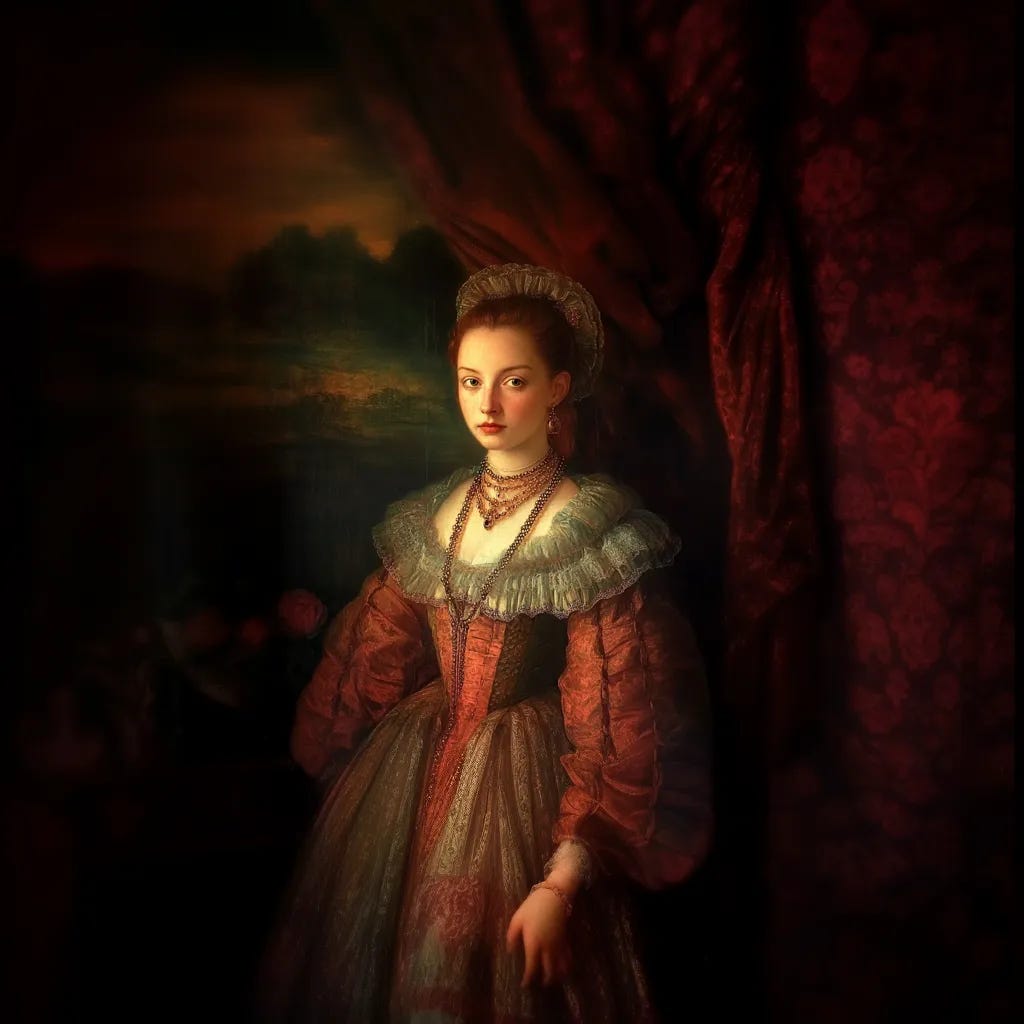
The Báthory family was a powerful and prominent force in Hungary, Transylvania, and Poland during the 16th century. Baron George VI Báthory, brother of the ruling Voivode of Transylvania, was married to Baroness Anna Báthory.
Anna was the daughter of the Palatine of Hungary and the niece of Stephen Báthory, the Prince of Transylvania who later became King of Poland.
The Báthory family were well-known nobles and members of the Protestant faith. George and Anna resided in Ecsed Castle in Hungary. The couple had several children, and in August of 1560, they welcomed a daughter, Elizabeth.
Born into nobility, young Elizabeth was afforded a luxurious early life. She was extremely well-educated during her childhood and was taught multiple languages.
Despite the family’s power and wealth, Elizabeth reportedly struggled with seizures, which were likely due to epilepsy. During Elizabeth’s lifetime, epilepsy was not understood, and the treatments offered were… strange, to say the least.
Rise to Power
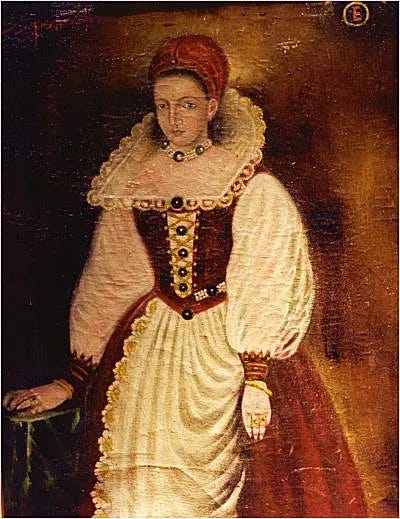
Health issues aside, Elizabeth was an intelligent young lady who was also considered quite beautiful. During these times, it was very common for noble families to facilitate arranged marriages. These arrangements were viewed as mutually beneficial to both families, and they were typically used to strengthen alliances and for political gain.
In 1573, when Elizabeth was thirteen years old, she was engaged to Count Ferenc Nádasdy, whose family was also Hungarian nobility. Through this union, the Nádasdy and Báthory families consolidated power, influence, and land in Transylvania and Hungary.
On May 8th, 1575, Elizabeth and Ferenc were wed at the Varannó palace in modern-day Slovakia.

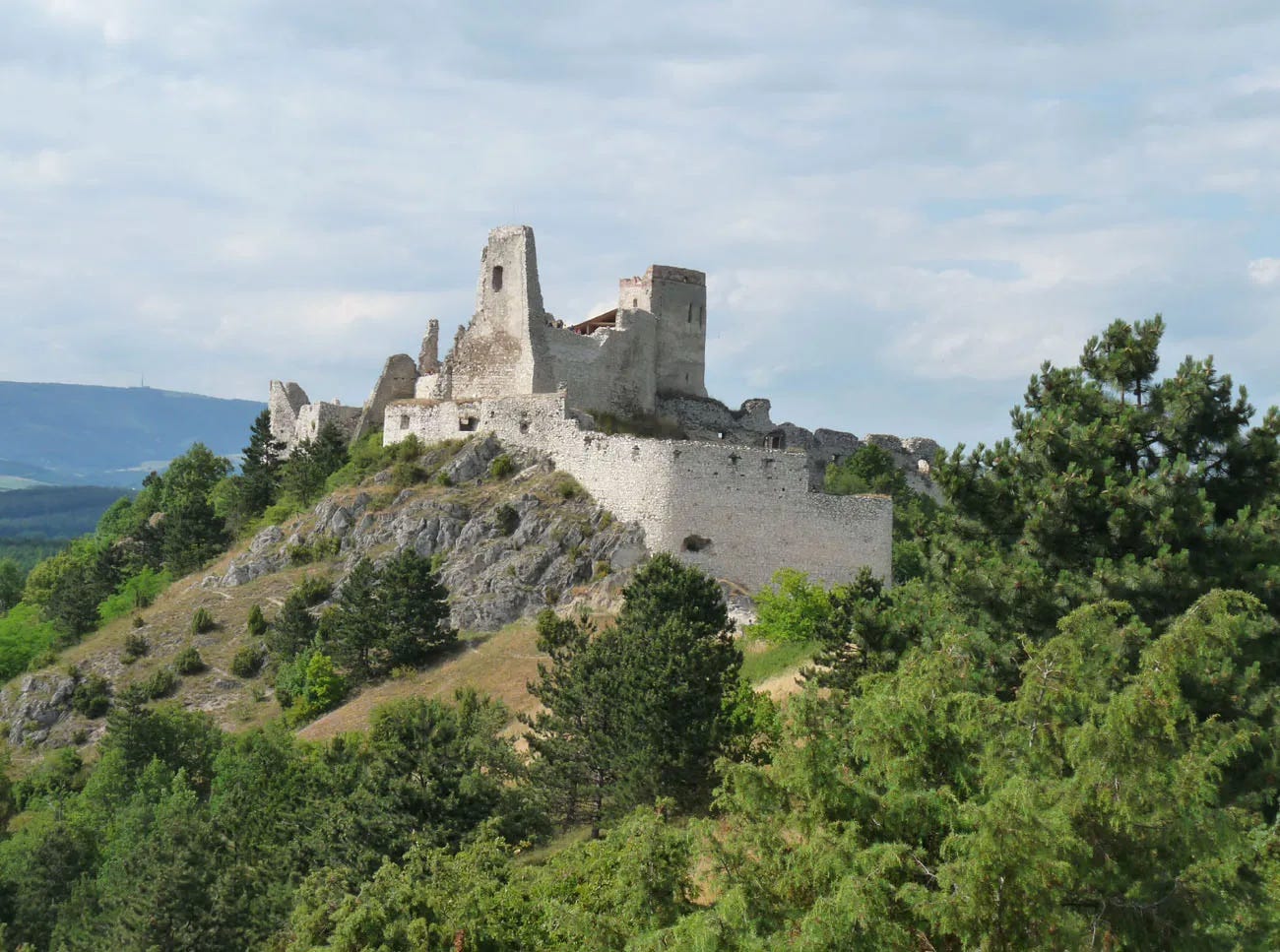
As a wedding gift, the Nádasdy family gifted Castle Čachtice to the young couple. The castle formerly belonged to King Maximilian II. Ferenc and Elizabeth became the ruling nobles over the estate and nearby villages.
Three years after their wedding, Hungary was mounting opposition to fight the growing Ottoman threat, and Ferenc was called to serve as their chief commander.
While the war raged, Elizabeth was left to handle affairs at home. In addition to the regular responsibilities of nobility, Elizabeth also needed to defend their multiple estates from Ottoman attacks, which had previously laid siege to their castle.
Ten years after their marriage, Ferenc and Elizabeth had their first child, Anna Nádasdy, in 1585. The couple had at least five children, though some sources believe they had more, including some who died in infancy.
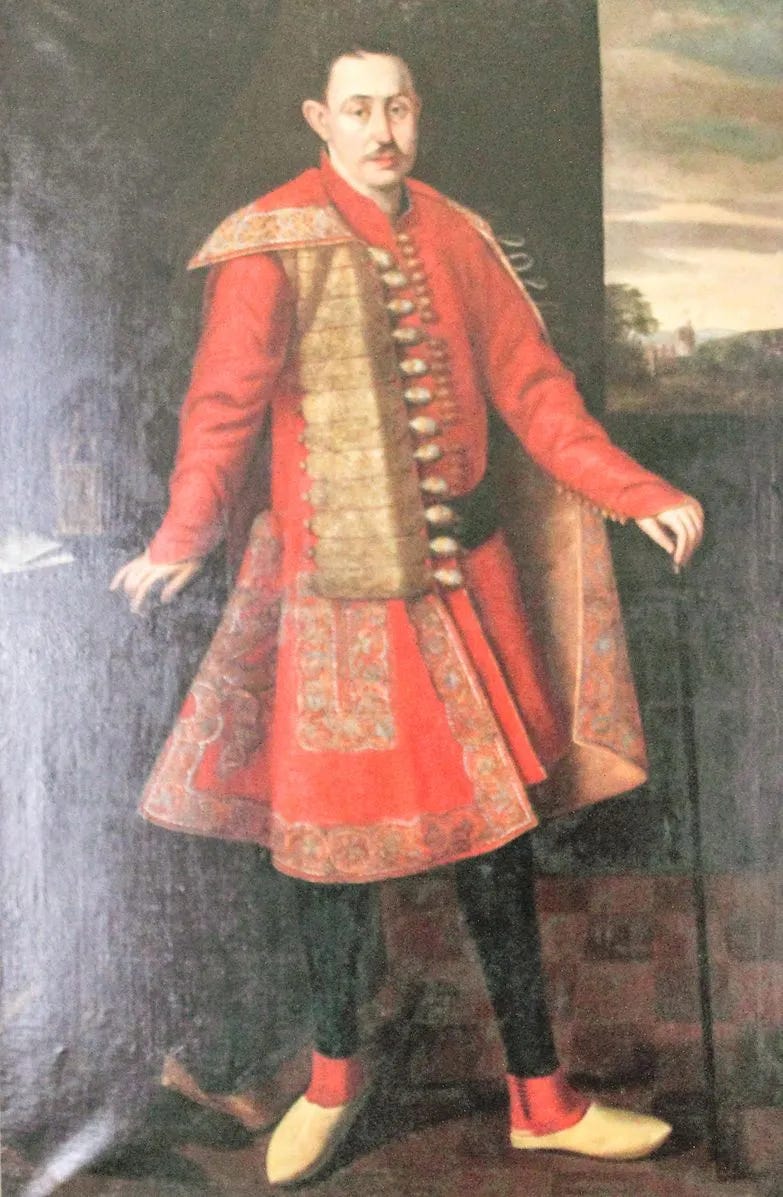
In 1603, Ferenc spent far less time on the battlefield due to the Long War winding down and his medical issues. It is not known what illness or injury afflicted Ferenc, but he suffered from severe leg pain that led to him becoming debilitated.
Then, on January 4th, 1604, Ferenc died, having lived 48 years, spending 29 of them as Elizabeth’s husband. Shortly before his death, Ferenc gave nobleman and cousin of his wife, György Thurzó, the responsibility of looking after Elizabeth and their children.
Dark Rumors
By the time Ferenc died, dark rumors had spread throughout the countryside. These rumors painted Elizabeth as a cruel monster. There were some reports that Elizabeth had been responsible for the deaths of numerous female peasants, but these accounts were never investigated.
Then, in 1609, Elizabeth reportedly was involved in the murder of women from noble families; these claims were not ignored.
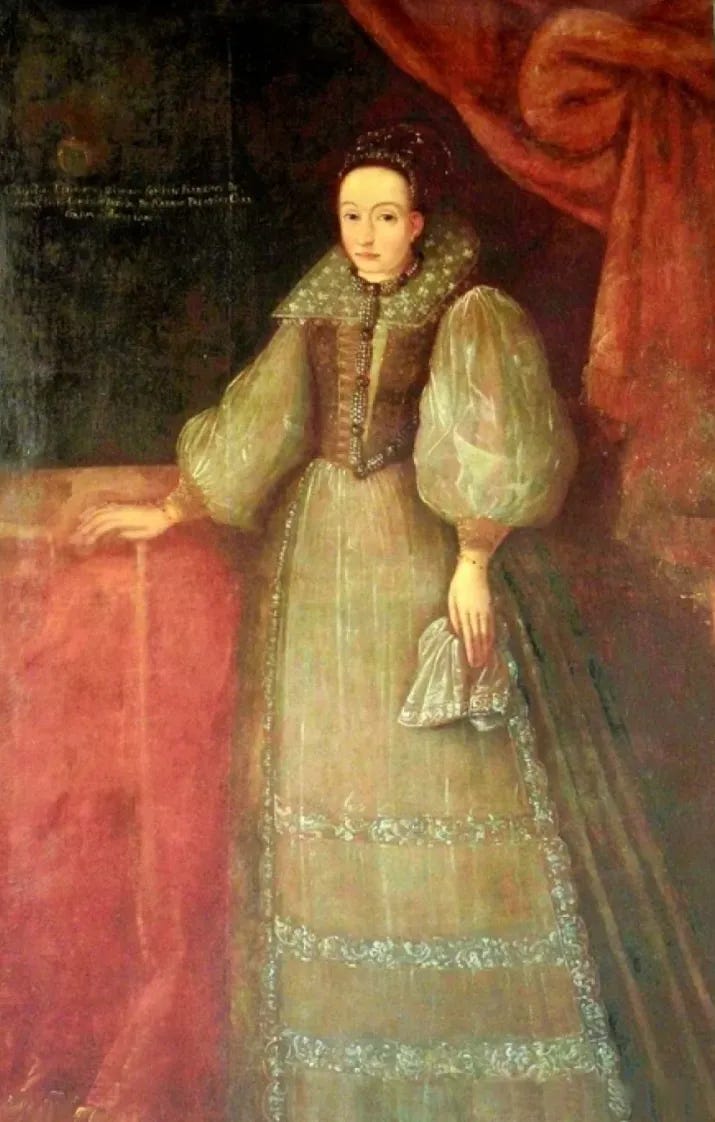
Lutheran minister István Magyari spoke out against Elizabeth. He raised allegations before a public audience and even brought his claims before the court in Vienna, which attracted the attention of the ruling class.
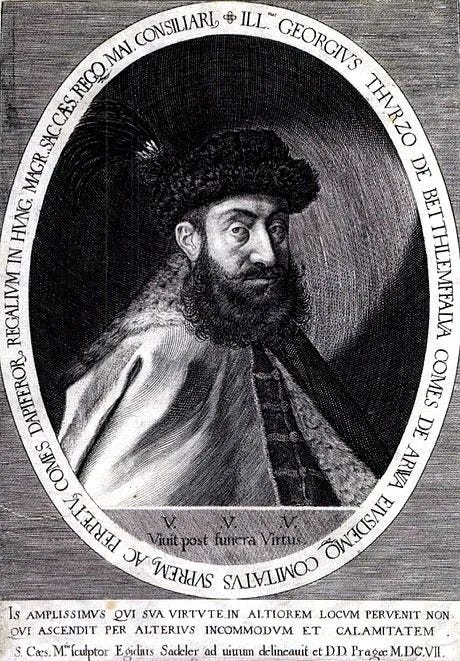
Matthias II, King of Hungary, ordered György Thurzó, the same man Ferenc had entrusted to look after Elizabeth, to investigate these claims. By late 1610, György Thurzó and his assistants had taken statements from over fifty witnesses. By the following year, that number had increased to more than 300.
Just before New Year’s Eve in 1610, György Thurzó and his accomplices infiltrated Castle Čachtice. They did not warn the Countess that they were coming and allegedly arrived to find one young girl deceased and another who had been tortured but was still alive. Elizabeth and four of her servants were arrested.
The “Blood Countess”
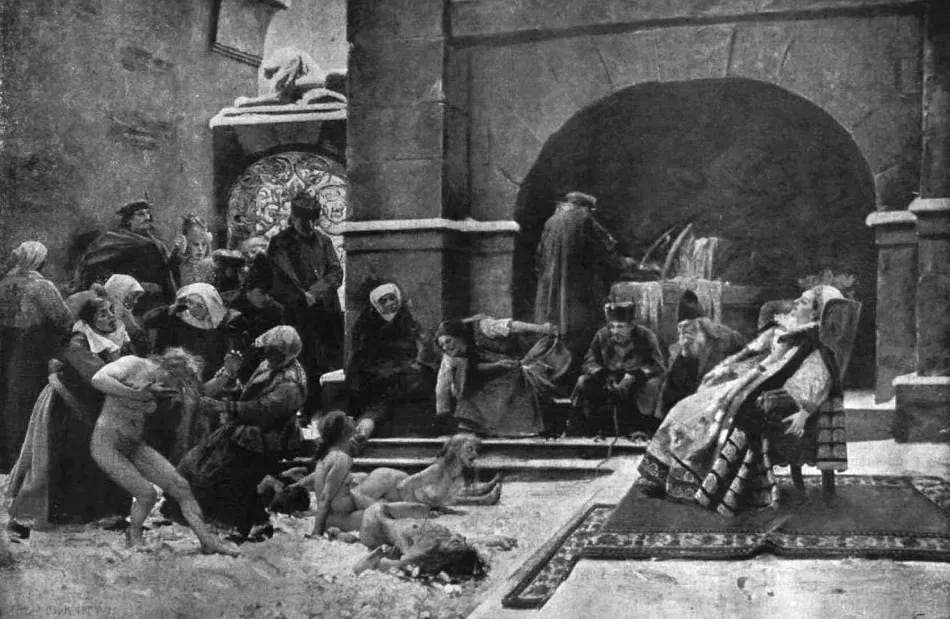
The testimony of the witnesses yielded incredulous tales of extreme cruelty. According to the depositions, Elizabeth had subjected numerous women to extensive torture. Allegedly, some victims were stripped of their clothing and forced to take ice baths during the coldest months of the year, while in warmer months, they would be covered in honey and left outside to be eaten by insects.
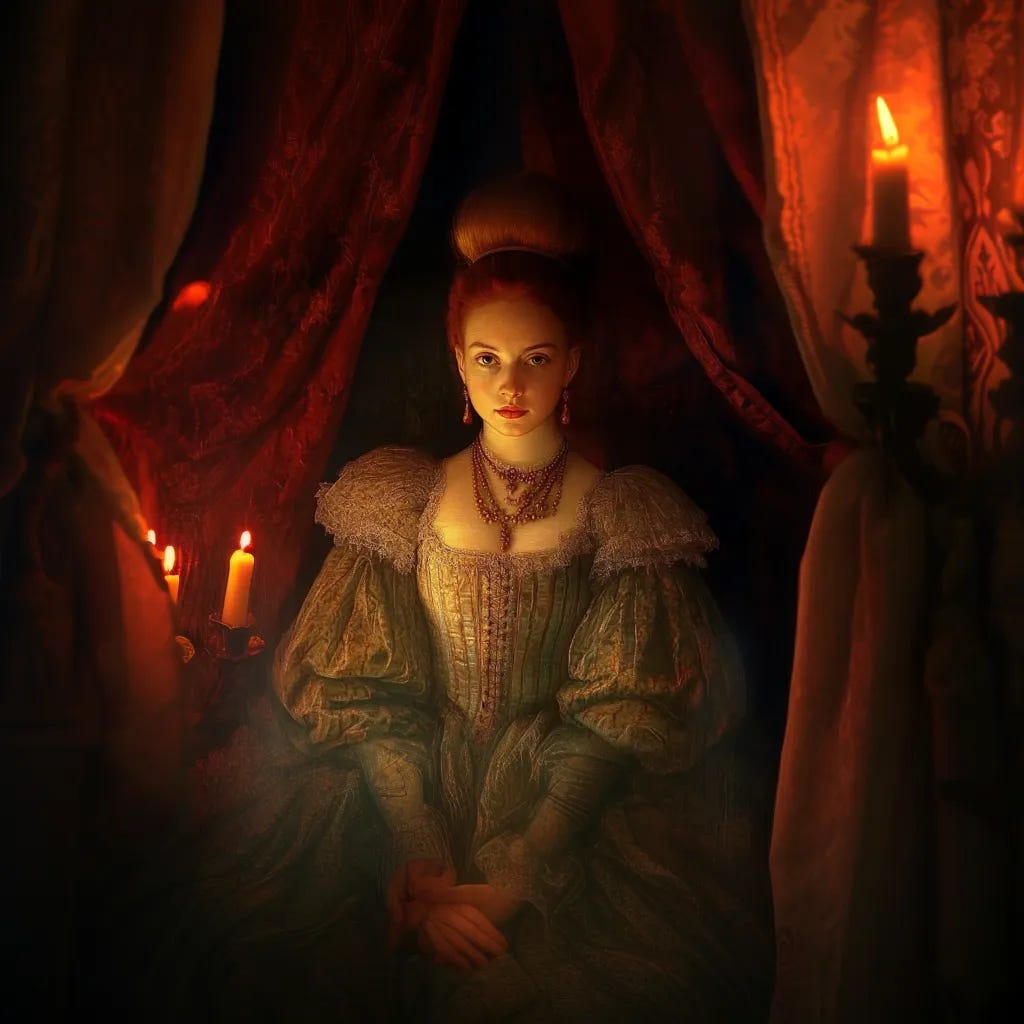
Elizabeth is said to have tortured her victims personally, shoving needles into their fingers, whipping them with stinging nettles, or cutting their faces. According to some accounts, Elizabeth often bit her victims and burned their skin, including their genitalia.
The four servants who were captured were made to testify, though the validity of their testimony is questionable at best, as they were tortured excessively. The servants each tried to deny their involvement or pass the blame to someone else, but they each admitted to assisting Elizabeth in burying her victims.
Three of the four servants were executed; one was beheaded, and two were tortured and burned alive. The fourth is said to have temporarily escaped but was later recaptured and befell an unknown fate.
Allegations and Imprisonment
Elizabeth herself never stood trial. Many of the witnesses admitted that they did not observe the crimes firsthand but instead heard about them from someone else. Additionally, no letters of complaint had been written about Elizabeth, which was the method used to initiate legal proceedings at the time.
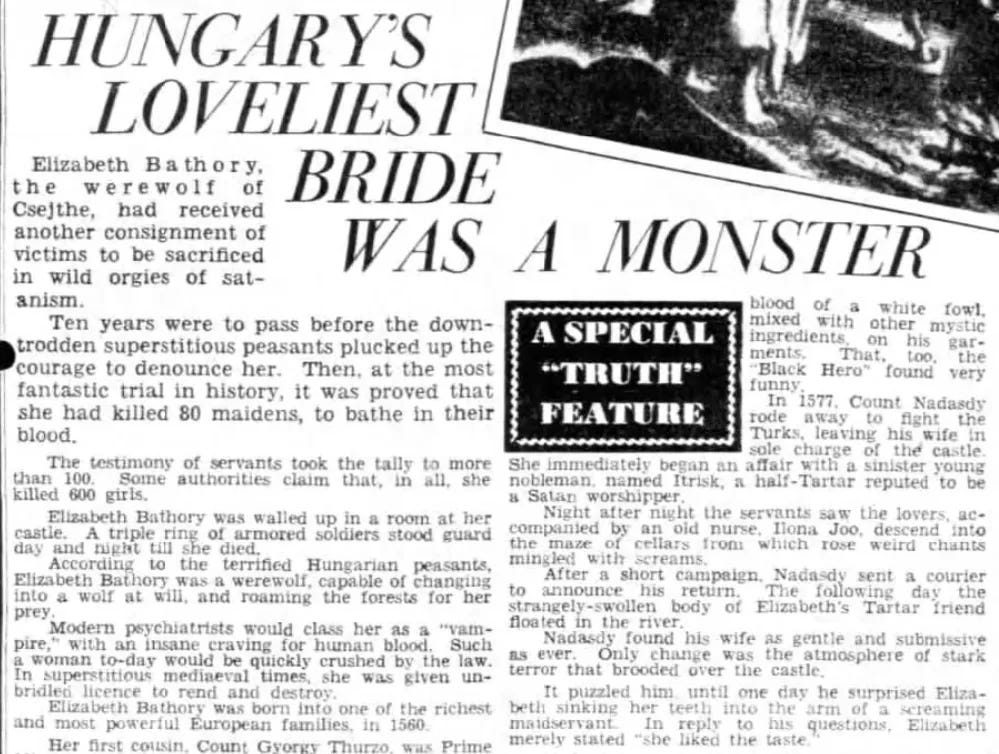
The trial of the four servants brought forward sensational allegations of a staggering 650 victims. However, this figure came solely from the testimony of one of Báthory’s servants, who claimed to have seen the number in one of the Countess’s private books.
The four servant’s testimonies suggested a figure somewhere in the range of 20-51 victims. Still, György Thurzó was convinced that Elizabeth had tortured and murdered at least 600 women and girls. He notified King Matthias II in January of 1611 that they had held the trial and imprisoned Elizabeth.
As a noblewoman, Elizabeth would not have been sent to a commoner’s prison. Elizabeth’s family intended to minimize the impact of the allegations to save face and avoid the loss of her assets.
They resolved to send Elizabeth to a nunnery. However, the news of the Blood Countess’s alleged atrocities spread faster than they could contain it. Instead of their original plan, the family and court officials elected to imprison Elizabeth within her home at Castle Čachtice. Her estates were entrusted to her family.
György Thurzó said that Elizabeth was confined to a walled-off space within the castle interior, but visits from priests recount the disgraced Countess having free reign of the castle.
Regardless, Elizabeth was never again permitted to leave Castle Čachtice. Shortly after her initial imprisonment in 1610, even before the trial, Elizabeth penned her last will and testament, in which she left all her possessions to her children.
On August 20th, 1614, Elizabeth told a guard that her hands felt cold. The guard assured her that it was nothing to worry about and that she should rest. The next morning, Elizabeth was found dead in her chambers.
She was initially buried in the church of Csejte, but her body was later moved to the family crypt at her childhood home, Castle Ecsed, after public outcry.
Elizabeth Báthory’s final resting place is unknown, but many believe she was laid to rest at Castle Čachtice, though there is no indication of her being buried there.
Fact or Fiction?
Though the haunting tale of the Blood Countess has captivated generations, there is a possibility that it was entirely fabricated. Many scholars, such as Cambridge University’s Dr. Annouchka Bayley, believe that Elizabeth Báthory was framed.
Dr. Bayley asserts that Elizabeth was a bit of a radical, maintaining an extensive library and educating massive numbers of girls. There are also rumors that Elizabeth was not quite as devout as the Báthory family would have others believe and that she potentially illegally printed books and distributed them to young women.
In addition to this, Elizabeth reportedly was owed a sizable debt by King Matthias II, which was nullified after her arrest. Elizabeth also held a great deal of wealth and power, especially following her husband’s death.
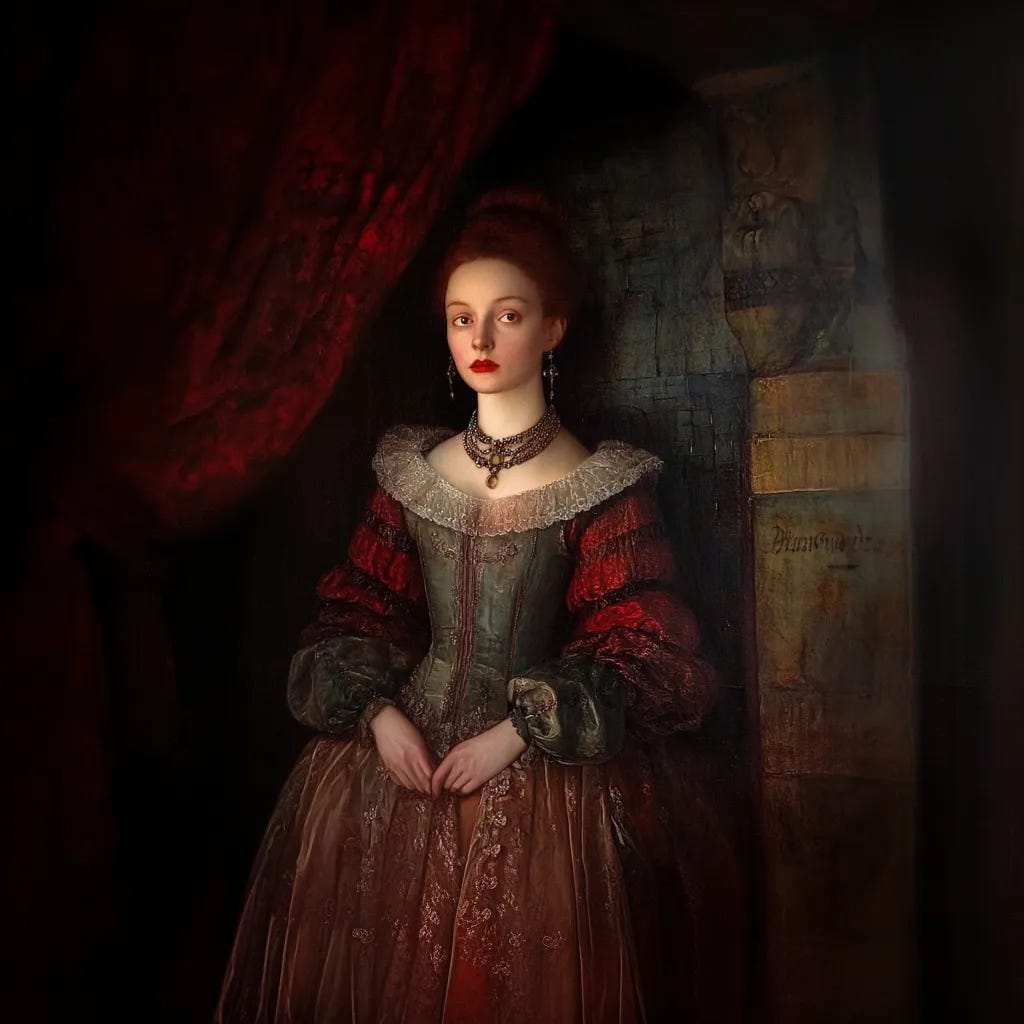
Many close to Elizabeth, including her own family members, became exponentially more wealthy and powerful after she was imprisoned. Could Elizabeth have been framed to cancel out the King’s debts, or was this a coup to grab riches and power?
Irrespective of the other reasons that the story could have been fabricated, the evidence is overwhelmingly inadequate. Of all the testimonies heard, a vast majority were conjecture and hearsay.
Witnesses admitted that their stories were second or third-hand accounts, not true eyewitness testimony. The servants who testified against Elizabeth were subjected to extreme torture, with some having their fingers ripped off by scorching hot metal implements.
Though Thurzó and his men did find dead and wounded girls when they entered Castle Čachtice, they did not find direct evidence to suggest that Elizabeth was responsible.
The stories of Elizabeth Báthory have been greatly exaggerated since her death, including the folklore that she bathed in the blood of her victims to maintain a youthful appearance.
Whether fact or fiction or somewhere in between, the tale of Countess Elizabeth Báthory will continue to fascinate and horrify for generations to come.
Sources:
Cawley, Laurence. “Cambridge University Academic’s Quest to Clear Elizabeth Bathory’s Name.” BBC News, BBC, 28 May 2024, www.bbc.com/news/uk-england-cambridgeshire-69057709.
“Elizabeth Bathory: Biography, Hungarian Countess, Serial Killer.” Biography, www.biography.com/crime/elizabeth-bathory. Accessed 3 Oct. 2024.
“Elizabeth Báthory.” Encyclopædia Britannica, Encyclopædia Britannica, inc., 17 Aug. 2024, www.britannica.com/biography/Elizabeth-Bathory.
“Elizabeth Báthory.” Wikipedia, Wikimedia Foundation, 21 Sept. 2024, en.wikipedia.org/wiki/Elizabeth_Báthory.