

Dangerous Passage: The Strange and Controversial Death of Adventurer and Explorer Thomas Simpson
In June 1840, the bodies of renowned British explorer Thomas Simpson and two travel companions were shot dead on the plains of North Dakota. Nearly 200 years later, the mystery endures

Background
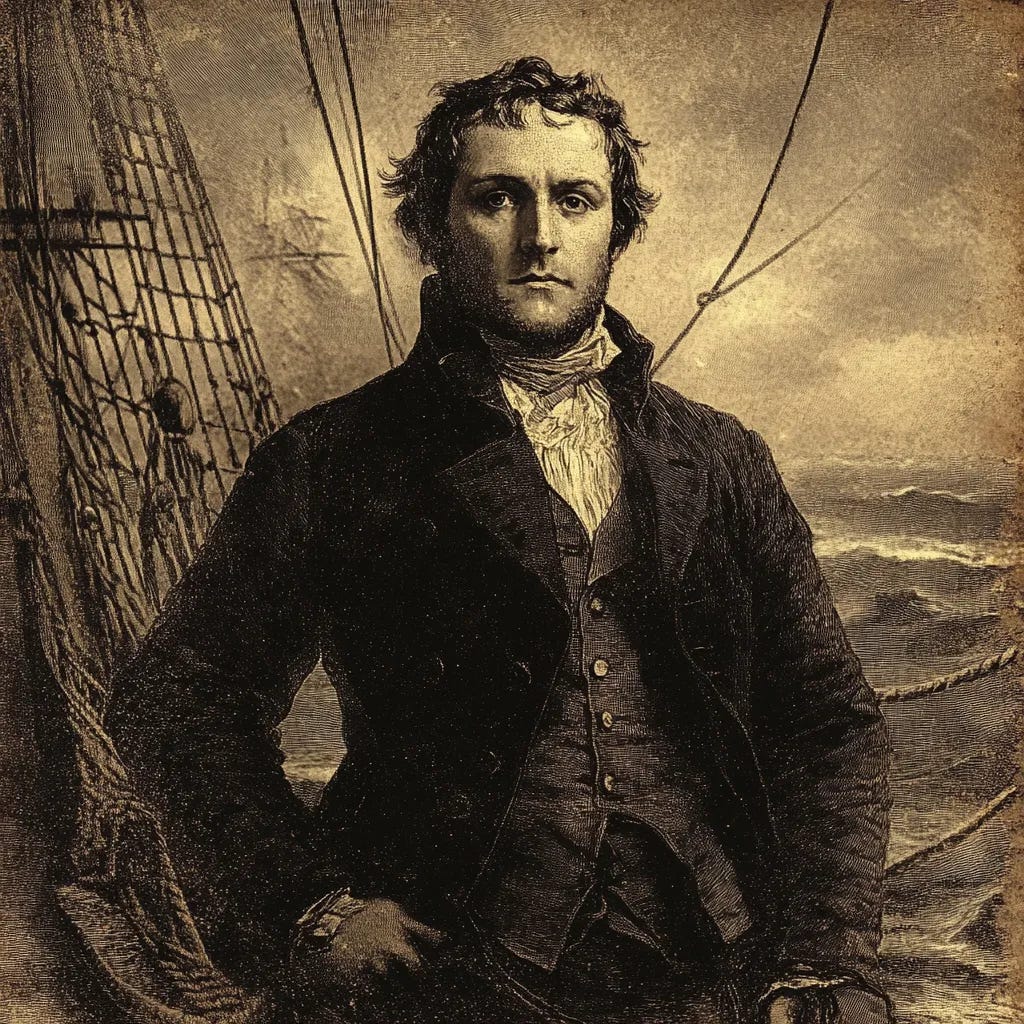
For nearly two centuries, the strange and murky circumstances surrounding the death of renowned British explorer Thomas Simpson and two of his traveling companions have fascinated and puzzled generations of historians.
On June 14, 1840, members of Simpson’s expedition team discovered his body along with the lifeless bodies of John Bird and Antoine Legros Sr.
From the very start, the investigation into the men’s deaths was marred by controversy. The testimony from witnesses both at the scene and immediately after were often inconsistent or contradictory.
Then, as the investigation expanded, disturbing new possibilities began to emerge.
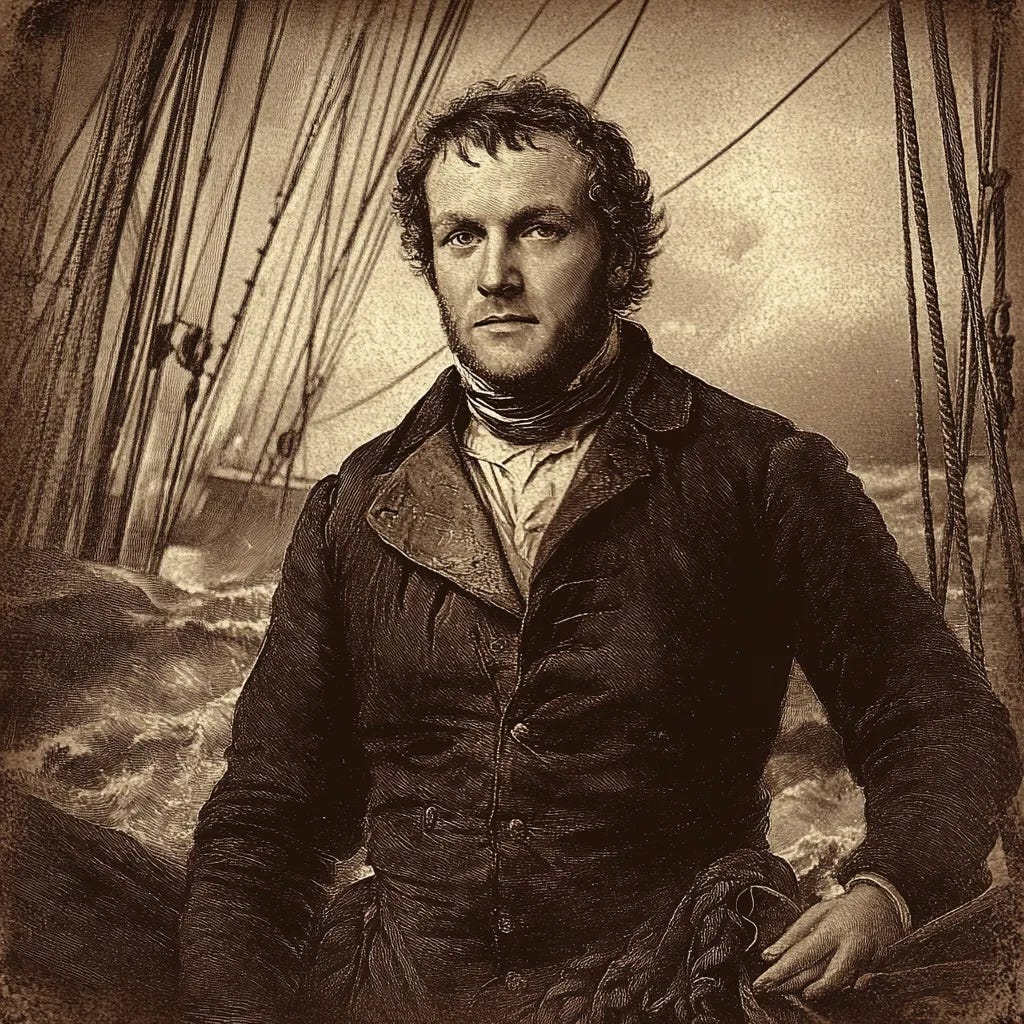
Who Was Thomas Simpson?
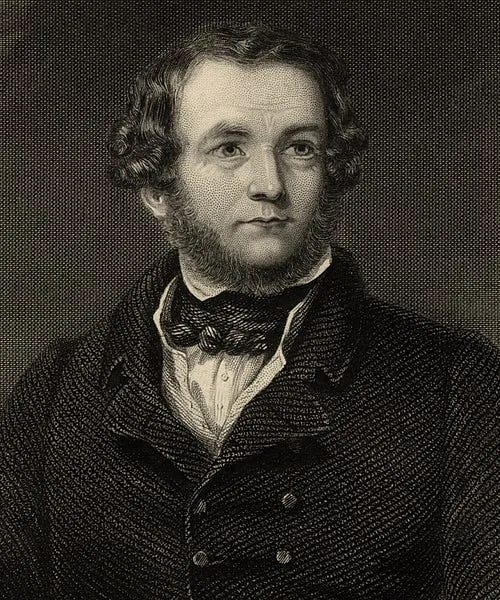
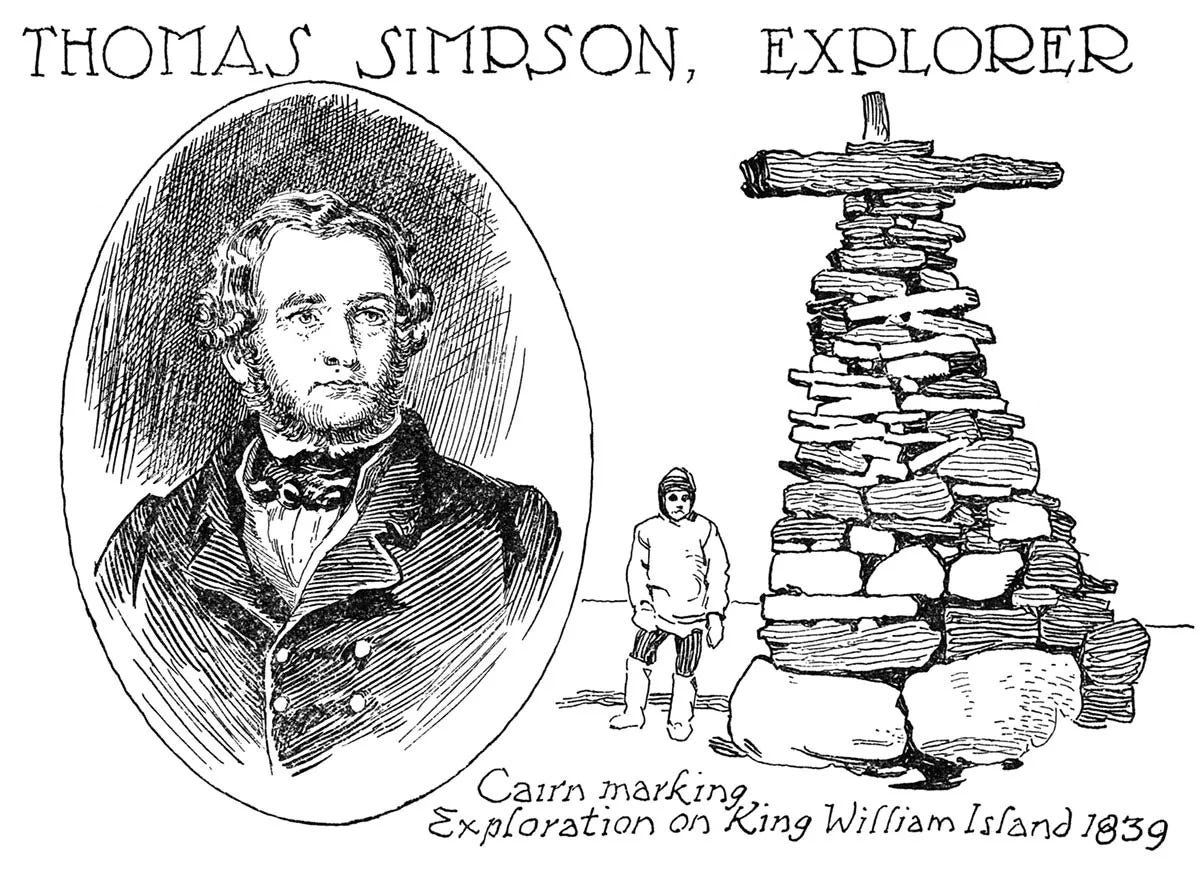
The man who would become the focal point of this perplexing mystery was born on July 2, 1808, in Dingwall, Scotland. Simpson’s mother, Mary, also helped raise Thomas’s cousin, George Simpson, who would play a significant role in Thomas’s life.
Interestingly, Thomas, the man who would later explore some of the roughest terrain in North America and routinely travel hundreds of miles by foot, was described as a weak and sickly youth who avoided “rough sport.”
At 17, Simpson attended King’s College, Aberdeen. His intention was to join the clergy.
Thomas excelled in his studies and was presented the Huttonian prize, the college’s highest award. While still at King’s College, Thomas’s cousin, George Simpson, now employed by Hudson’s Bay Company, offered Thomas a position with the company.
Thomas, however, declined the offer, as he was committed to finishing his education.
Upon graduation in 1828, Simpson took the next step in his pursuit of becoming a clergyman by enrolling in a divinity class. That year, Thomas’s cousin George once again offered him a position at Hudson’s Bay Company.
This time, Thomas accepted the offer.
Hudson’s Bay Company
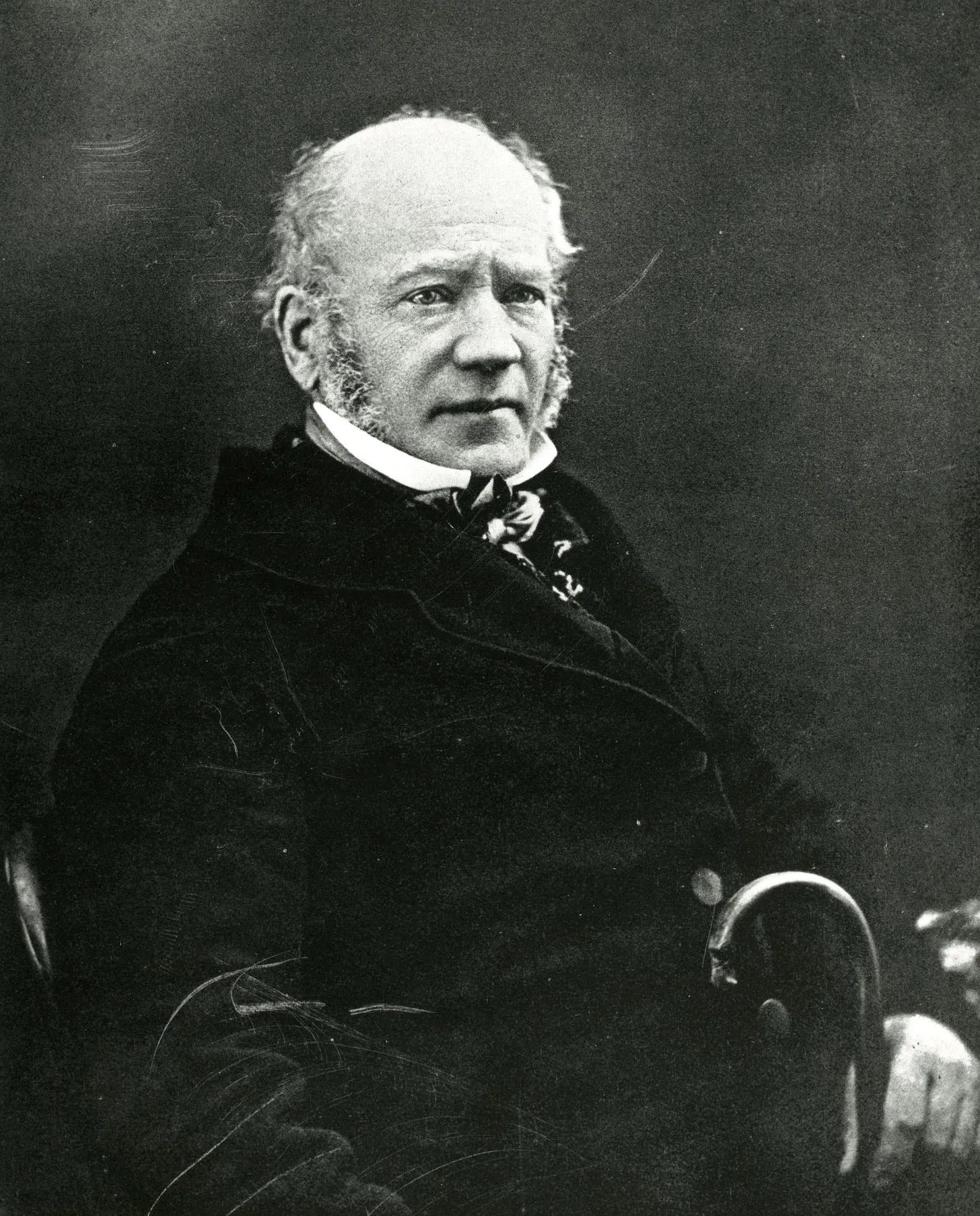
With its royal charter in 1670, Hudson’s Bay Company is North America’s oldest corporation. Over the next two hundred years, HBC established a near monopoly on trade in the vast territory surrounding Hudson Bay in northeastern Canada.
By the time Thomas began serving as his cousin George’s secretary in 1829, what had started as a modest fur trading post had become one of the most successful companies on earth.
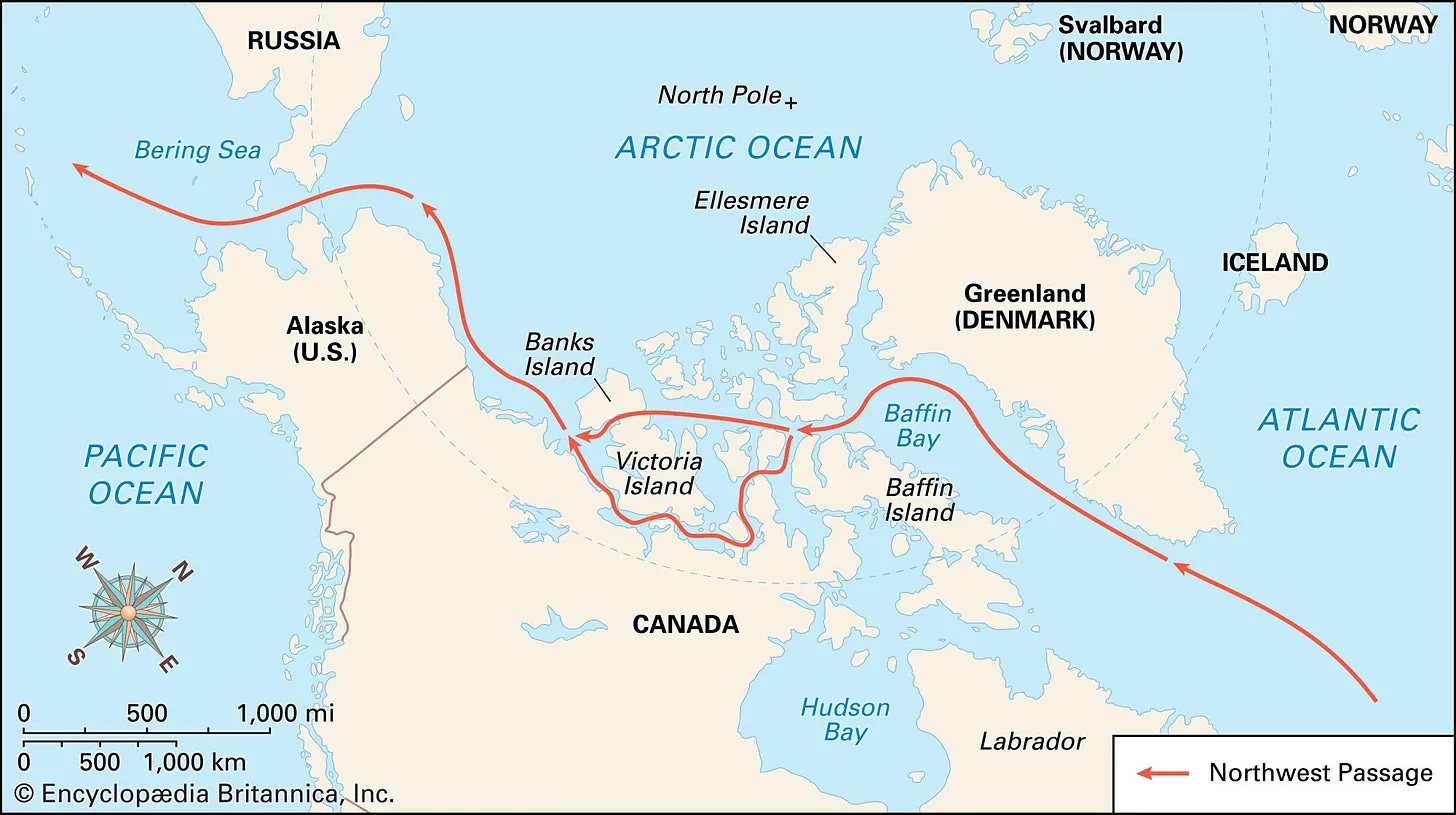
Already in control of large swaths of what would become Canada, Thomas was looking forward to helping HBC expand its territory. Simpson’s primary objective, however, was to finish mapping the Northwest Passage.
Arrival in North America
According to contemporaries, Thomas Simpson was ambitious and headstrong, qualities it could be argued are beneficial for an adventurer and explorer. However, he was also described as being quite arrogant, with a disdain and contempt for many of his colleagues, which he did not attempt to hide.
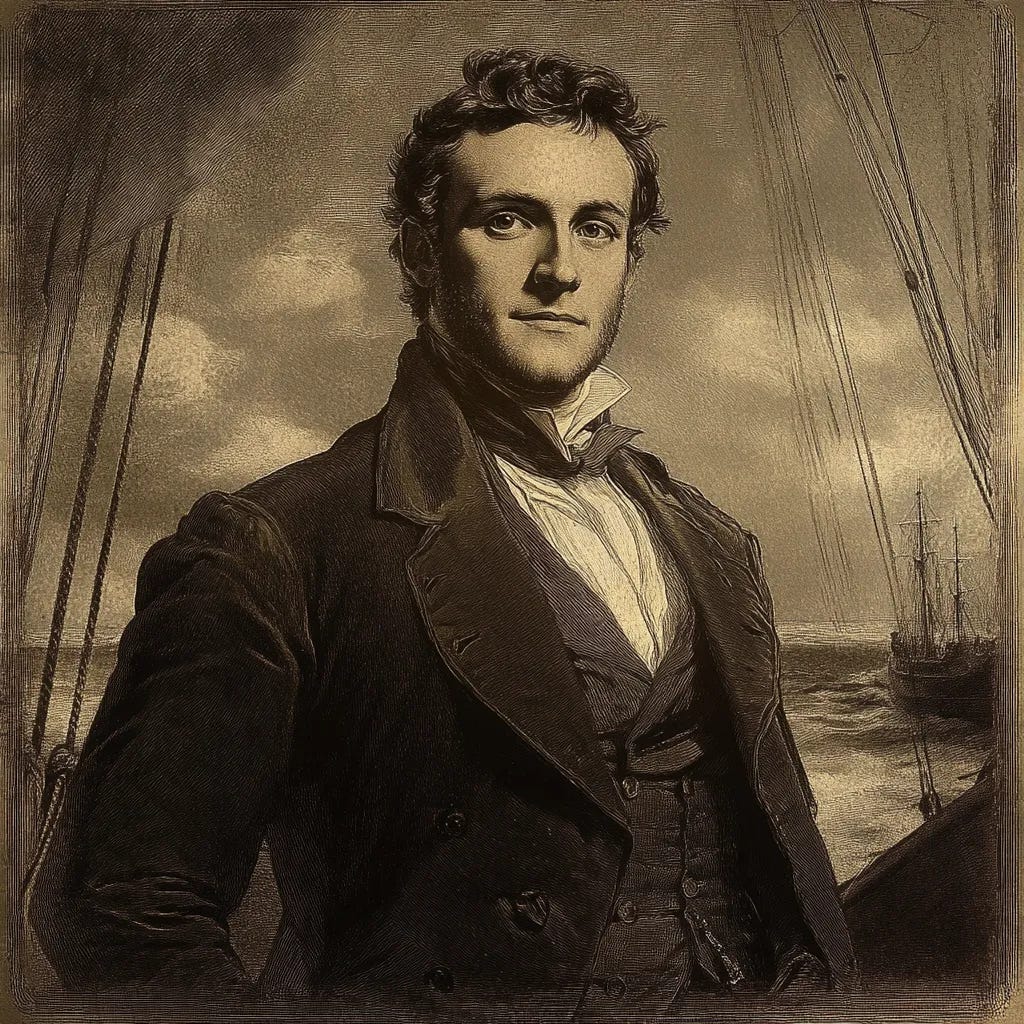
It was likely a combination of his youth, attitude, and inexperience which caused his cousin George to select another man to lead the expedition.
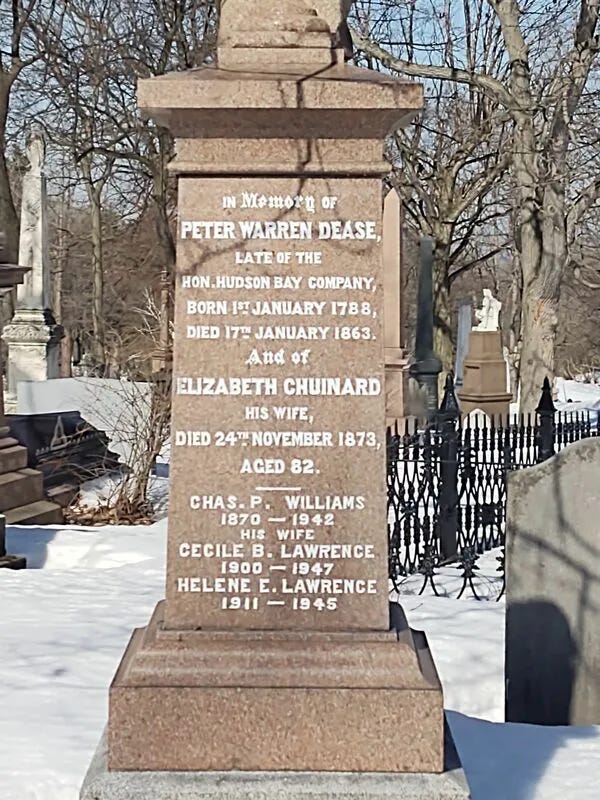
George Simpson, by then governor of Rupert’s Land, a large territory surrounding Hudson Bay in what was then British North America, decided to appoint Peter Dease, a more cautious and even tempered man with experience as an explorer and fur trader, to head the expedition.
It can be seen in Thomas Simpson’s personal letters that he was angered at being passed over to lead the expedition. He wrote of Dease: “Dease is an unworthy, indolent, illiterate soul.”
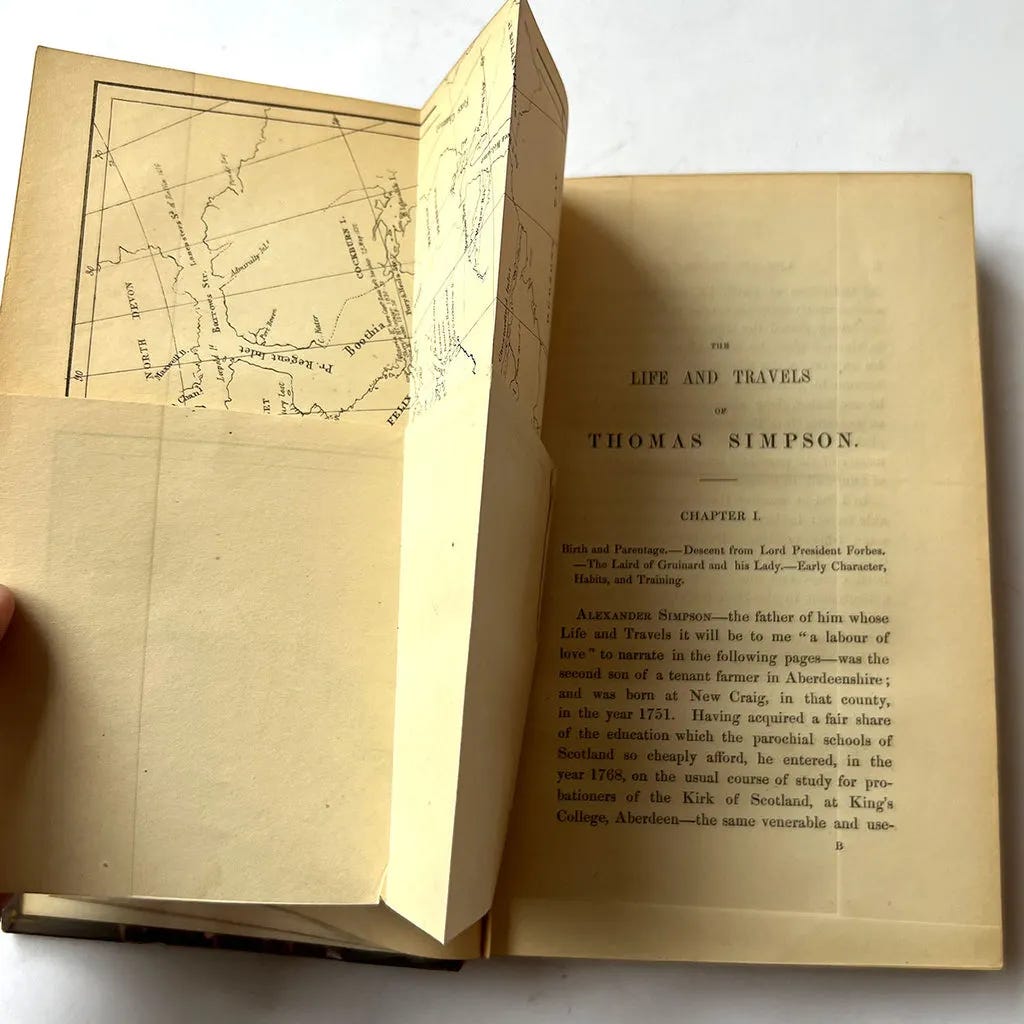
The expedition aimed to explore the Arctic coast of North America and fill in the gaps in the map between the Mackenzie River and Point Barrow and complete a map of the Nothern Passage.
1837 to 1840
Simpson’s first major success occurred in the summer of 1837, albeit with some unwanted assistance. The expedition party was making its way west along the Alaskan coast by boat when they were blocked by ice about 50 miles east of Point Barrow.
Though expedition leader Peter Dease suggested turning back, Simpson insisted on taking five of the party with him to explore the coastline on foot.
The party soon encountered a group of Inuit whose help allowed Simpson and the others to reach Point Barrow on August 4th. However, Simpson, never one for modesty, boasted, “I and I alone have the well-earned honour of uniting the Arctic to the Western (Pacific) Ocean.”
As it states in his entry on Arctic Profiles, “No one applauded himself more than himself.” Simpson would state, “Mine alone is the victory.” This does not come as much of a surprise given his well-known disdain and feelings of superiority towards the Indigenous Native Peoples in the area.
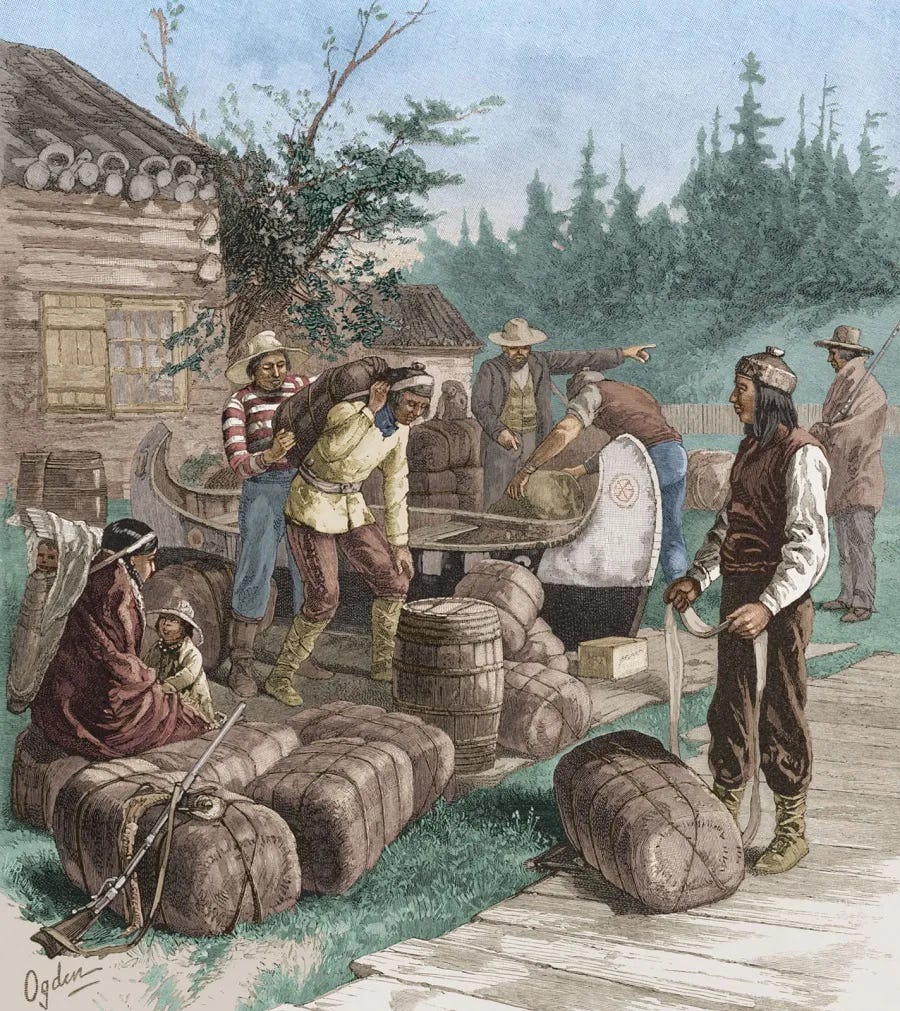
These feelings extended to the Métis, a mixed-race people of Indigenous and European ancestry, despite the fact that some Métis were members of the expedition. Simpson recorded his feelings towards the Métis in his writings. “To the extravagant and profligate habits of the half-breed families, I have an insuperable aversion.” And, by most accounts, the feeling was mutual.
The following summer, in 1838, the expedition once again ran into ice, which halted their progress. Once again, Simpson struck out on foot, making significant progress, even naming the land north of the ice-clogged sea Victoria Land.
The summer of 1839 proved even more successful. This time, ice did not impede their progress. Their expedition was bearing fruit, and they were close to finally mapping the Northwest Passage.
Although Peter Dease was the leader of the expedition in name, some historians concede that Simpson, for all intents and purposes, was the one running the show. However, many of the primary sources for drawing this conclusion come from Thomas Simpson’s own writings.
In late 1839, Dease took his European leave, which both men were entitled to. Simpson then sought to take full command and continue with the expedition. His cousin George, however, did not endorse this idea and refused to sign off on it.
Simpson then attempted to go over his cousin’s head and sent the request to George’s superiors in London. Thomas Simpson was very concerned about Dease getting credit for his work. As he stated in a previous letter, “Fame I will have, but it must be mine alone.”
Final Days
Unknown to Simpson, news of the expedition’s progress had reached England, exciting many at the prospect of the discovery.
In fact, his request to continue on without Dease had been approved by his cousin’s superiors. In addition, Simpson and Dease had been granted a £400 reward for their efforts and were in the process of being approved for a £ 100-a-year pension.
This would have made Simpson a very wealthy man. However, none of this news would ever reach him. In the spring of 1840, frustrated and with no answer, Simpson decided that he too would take his European leave and return to England.
In June 1840, Simpson and a small group of Métis traveled from Red River Colony (now Winnipeg) south to the Minnesota River through the northern United States, where he would continue east to the Atlantic and set sail for England.
According to eyewitness accounts, as the group crossed the plains in what is today North Dakota, Simpson’s mood and behavior became erratic.
As the days passed, he became increasingly anxious and paranoid, according to the Métis guides. They allege that Simpson believed they were plotting to murder him. They also said that despite claiming he was ill, Simpson declined to see a doctor when the offer was made.
Killings and Controversial Death
On June 14, 1840, as the group prepared to set up camp, two gunshots rang out. Simpson had shot two of his Métis companions. The remaining two Métis guides, according to their account, mounted their horses and raced to get help.
They claimed Simpson had shot the two men with his double-barreled gun and declared that he had done no wrong because the two men were plotting to murder him.
The two men who fled returned with others from the larger party. There, they found the bodies of Antoine Legros Sr. and John Bird.
Stretched out inside the tent was the body of Thomas Simpson, who was described as “having the top of his head blown off.”
With his gun by his side, it seemed like a case of murder-suicide. The case was investigated by the Iowa territory authorities, and due to the limited evidence and eyewitness accounts, the crime was ruled a murder-suicide.
Aftermath
The truth of the events of that day will likely never be known. Historians have looked into the available information and have not reached a consensus. There are, however, three prevailing theories about what likely happened.
The first is the official conclusion that Simpson became paranoid and shot two of his guides before killing himself. The second is that the Métis guides attacked Simpson, possibly to steal his papers and maps. The third is that something, perhaps an argument, led to a shootout where Simpson and the Métis men killed each other, and the “escaped” men made up a story out of fear of retribution.
Several historians have found the official story unconvincing and believe there is likely more to what happened on that June day.
Sources:
“Thomas Simpson.” Murderpedia, https://murderpedia.org/male.S/s/simpson-thomas.htm
“Thomas Simpson (1808- 1840)” Arctic Profiles, https://pubs.aina.ucalgary.ca/arctic/Arctic40-4-348.pdf
Pelly, David F. “THOMAS SIMPSON THE MAN WHO COULD HAVE CHANGED.” Above & Beyond, May/June 2003, https://www.davidpelly.com/resources/Thomas-Simpson.pdf
“Memorable Manitobans: Thomas Simpson (1808-1840)” Manitoba Historical Society Archives, Updated 2025, https://www.mhs.mb.ca/docs/people/simpson_t.shtml