


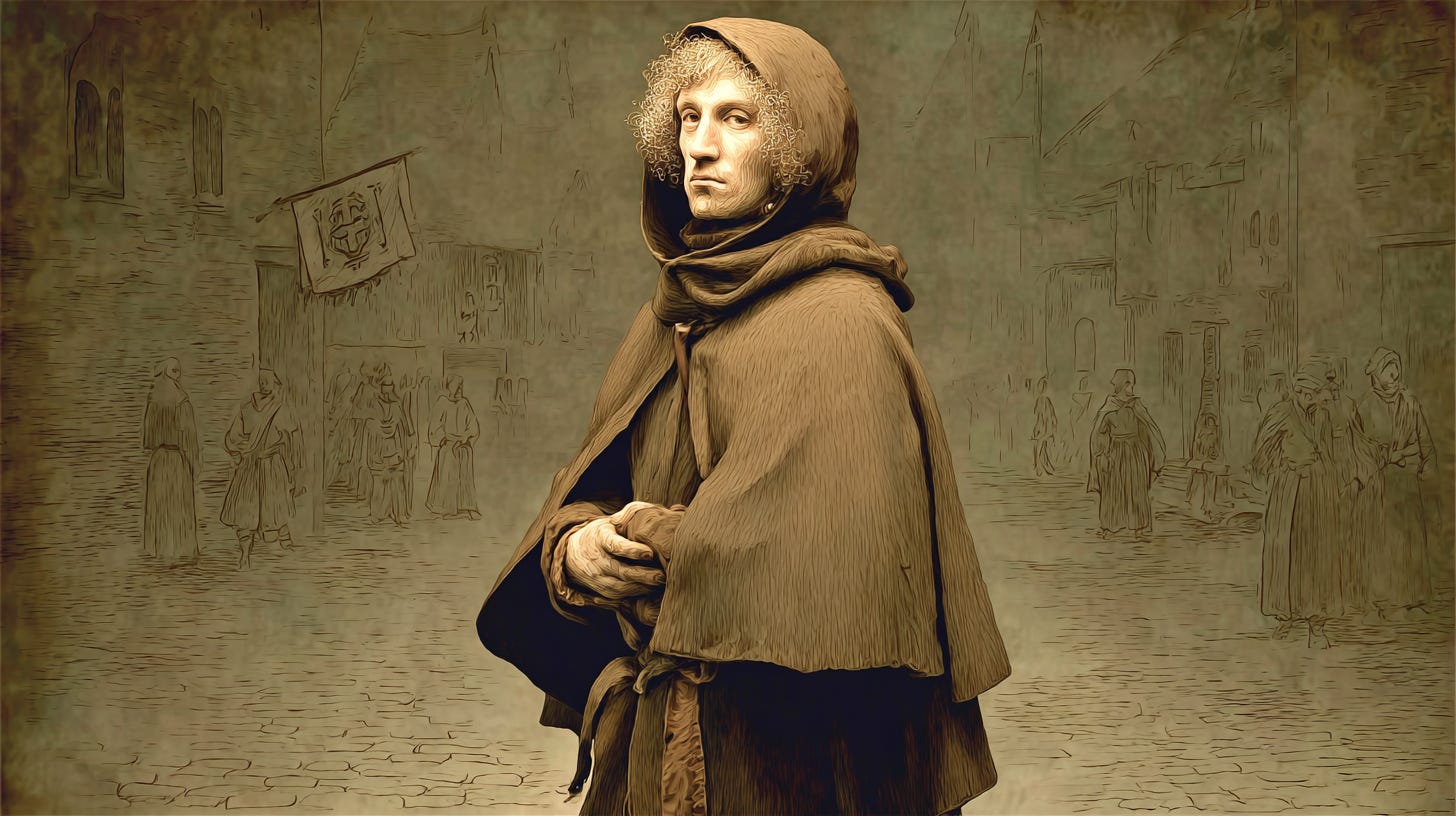
In June 1936, two children, Thure Johansson and his younger sister, Gulli, made a grim discovery in a bog near Rolfstorp, Halland County, Sweden. What they uncovered was not just a body, but a centuries-old mystery preserved in the peat. Known in Swedish as the Bockstensmannen or Bocksten Man, his remains, clothing, and manner of burial sparked widespread fascination and speculation.
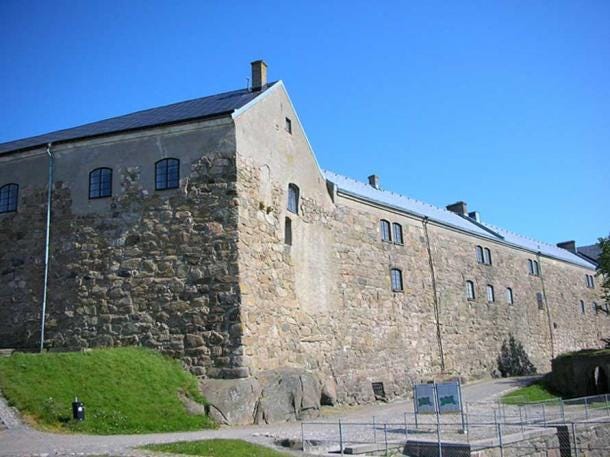
The Bocksten Man is one of the most significant and well-preserved finds of a medieval-era person. Today, his remains and clothing are displayed at the Halland Museum of Cultural History at Varberg Fortress.
Discovery of the Bocksten Man
The discovery took place on June 22, 1936, in Varberg, Sweden, when Thure and Gulli Johansson were working in the bog near Bocksten farm. 11-year-old Thure noticed something unusual emerging from the blades of his harrow. At first, it may have seemed like little more than old debris, but it soon became clear he had found bones along with fragments of clothing.
Alarmed by what they had uncovered, Thure ran and fetched his father. As they dug further, they uncovered more bones and clothing, and eventually a human skull. They covered the body out of respect for the dead and the following day contacted the police.
County officers and a doctor arrived to examine the remains, which they determined had been there for a long time. What none of them knew at the time was just how long the bones had actually been there.
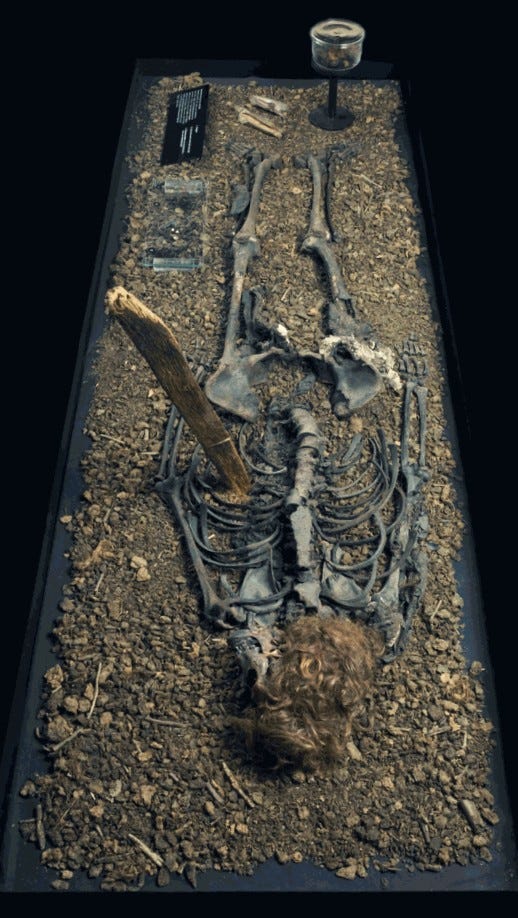
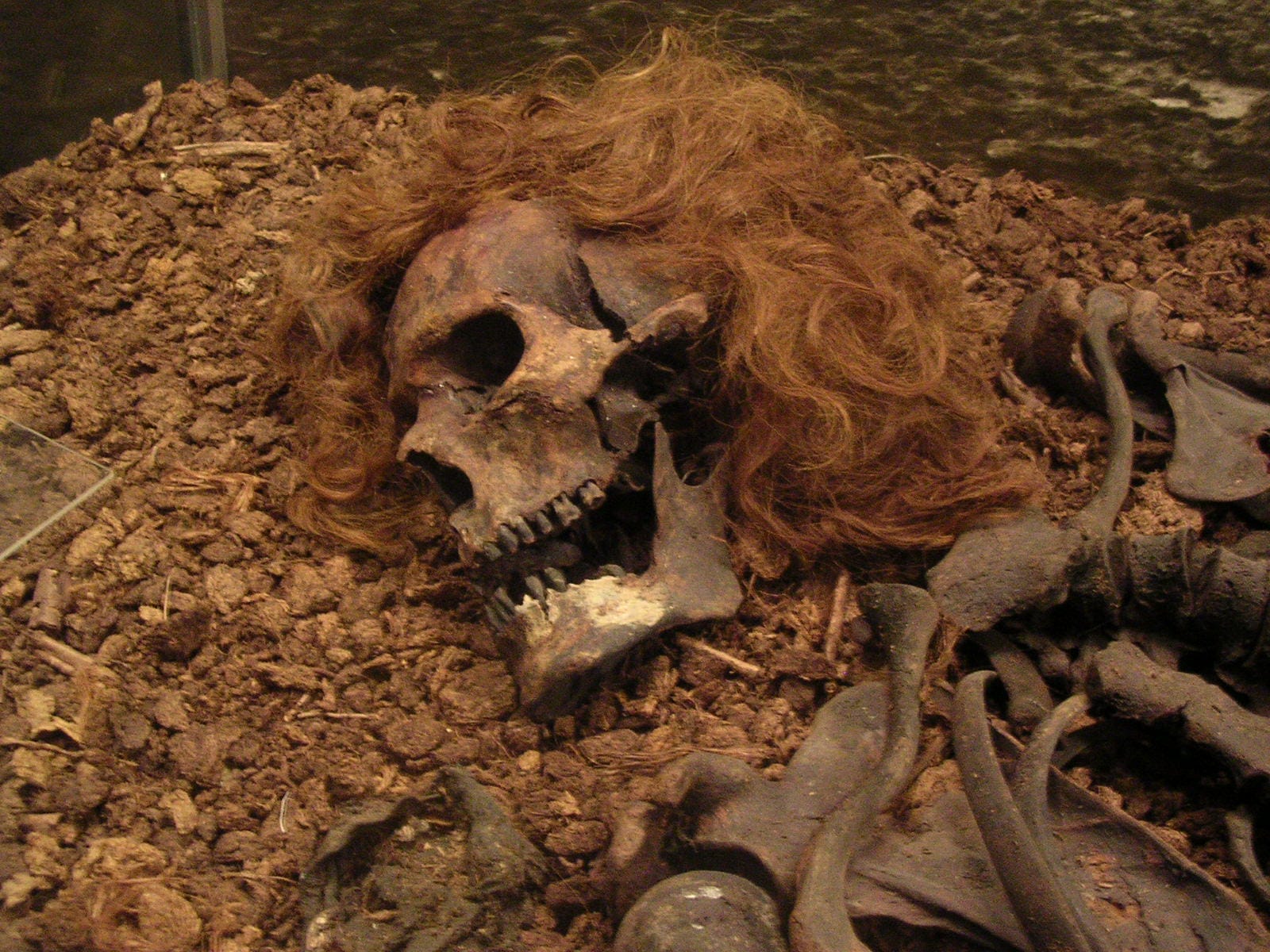
It was evident that the deceased had met with foul play, or at the very least, his body had been desecrated after his death. The body had been pierced with three wooden piles (or stakes). One had pierced his heart and was still intact, another had pierced his mid-back, while a third had unsuccessfully tried to pierce his hipbone.
Once it became clear that the remains were centuries old, the case was deemed far too old to prosecute, and a burial was arranged for the following Sunday. Luckily, as chance would have it, the day after examining the remains, the city doctor happened upon Johan Albert Sandklef, a friend of his and the director of the Museum of Halland, and described to him what they had found.
Realizing the possible archaeological significance of the find, Sandklef, along with his assistant, a professor, and others, visited the bog to examine the find. It became clear that the remains belonged to an individual who had lived centuries ago. The bog had also preserved the man’s clothing remarkably well.
The men processed the area, took photographs, and carefully transported the remains to the Varberg County Museum (now known as the Halland Museum of Cultural History). Fortunately, a chance encounter had prevented one of the most significant archaeological finds of the twentieth century from being buried and forgotten forever.
The Clothes Tell A Story
What made the discovery especially remarkable was the level of preservation. Parts of the man’s hair, clothing, and other materials had survived in extraordinary condition, protected for centuries by the bog’s unique environment. Archaeologists realized they had uncovered a medieval man who had been lost to history for nearly 600 years.
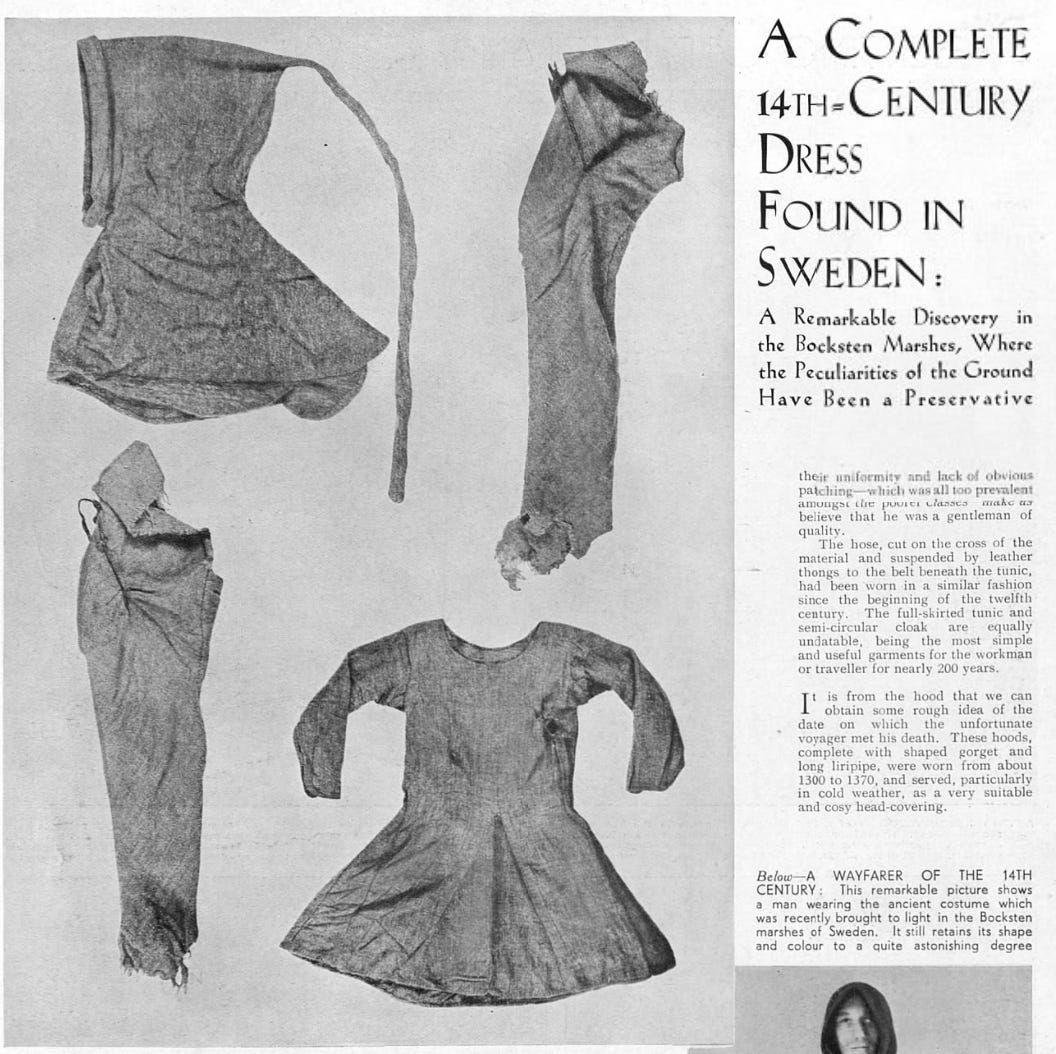
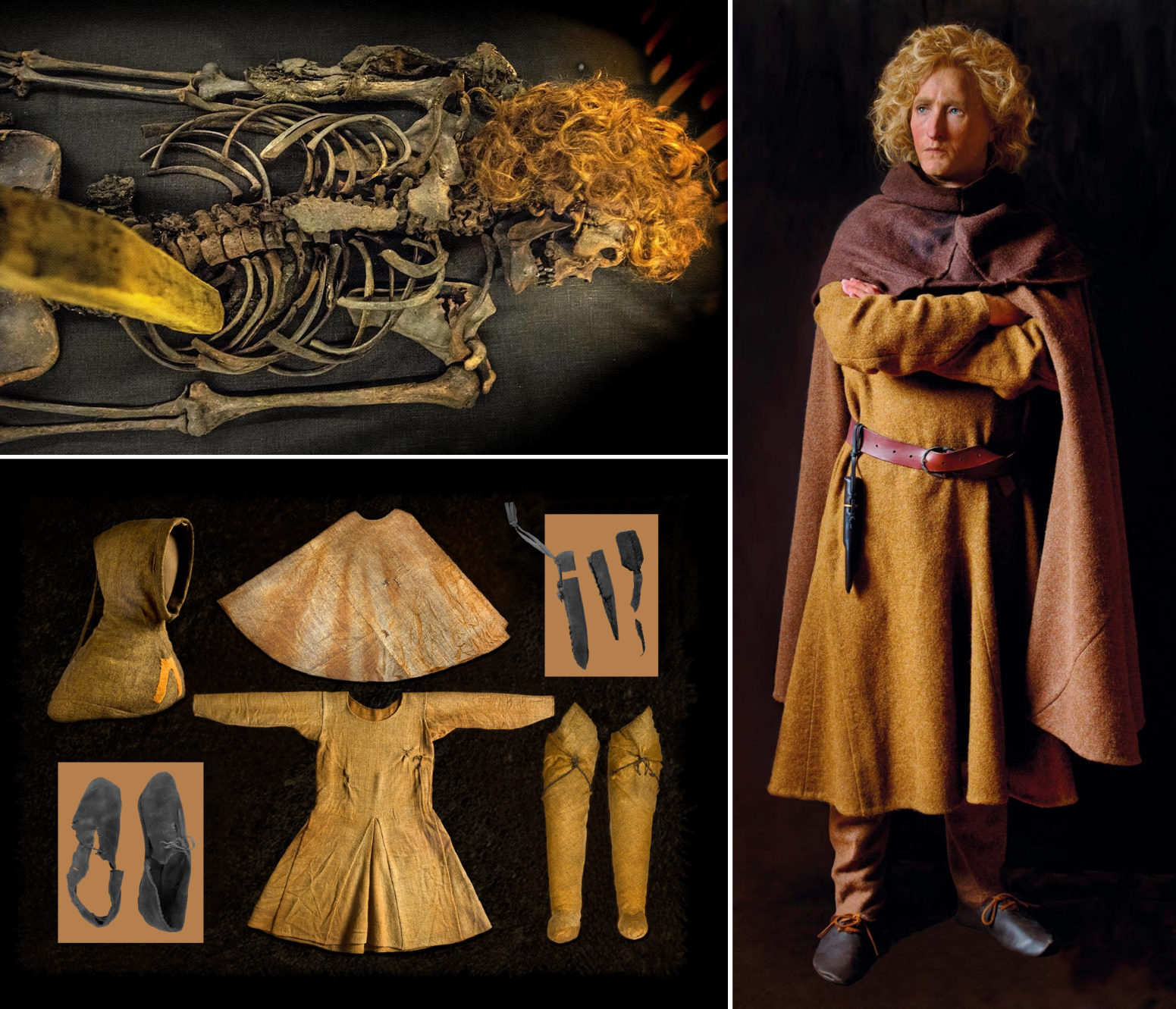
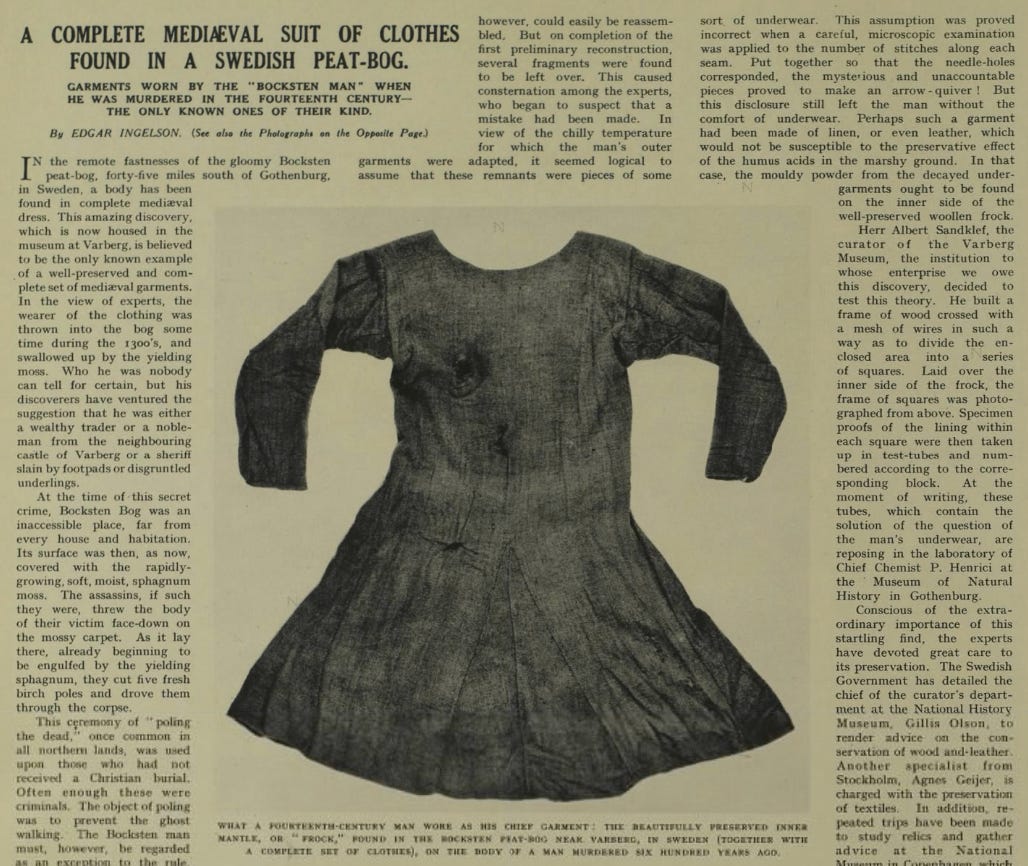
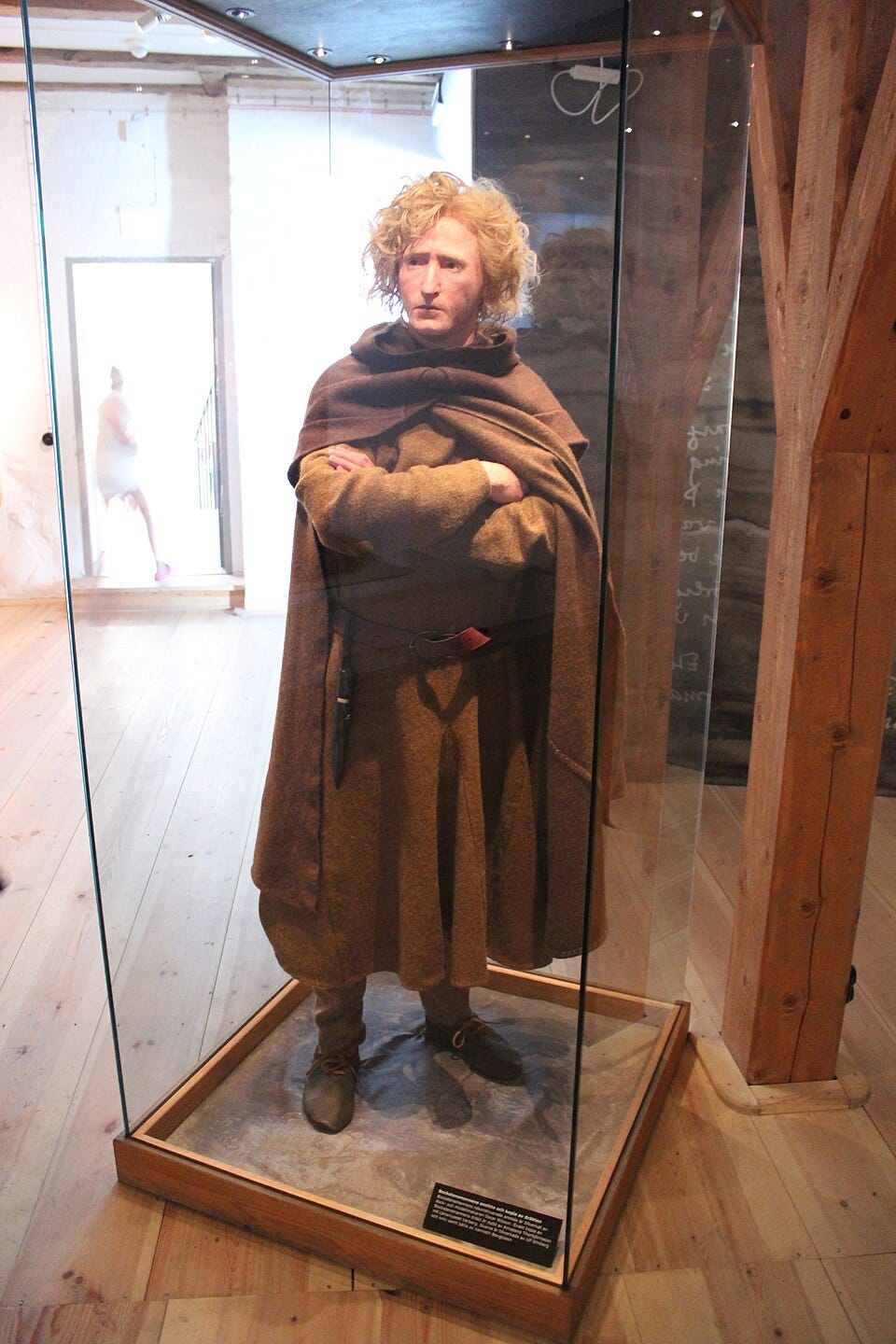
The Bocksten Man’s remains weren’t the only remarkable thing uncovered in the bog. His clothing, preserved in rare detail, provides an invaluable glimpse into medieval life. He was found with a tunic, leather shoes, foot wraps, a pointed hood known as a gugel, and a cloak. The garments were made of wool and, although the fabric was home-woven rather than luxurious imported cloth, the quality and condition of the clothing suggested he was not a poor laborer.
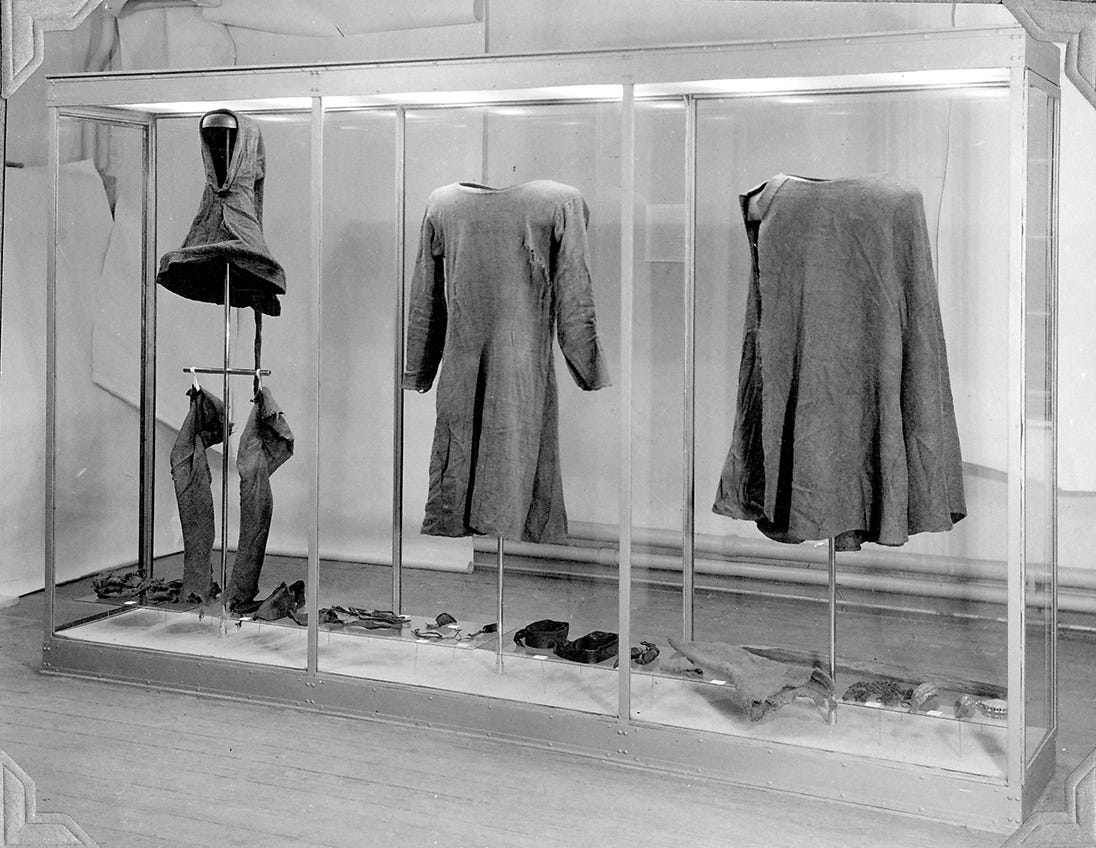
Rather, the clothing points to a man of moderate social standing. He may have been a craftsman, a scribe, a servant, or someone connected to a larger household or estate. These garments are among the most important aspects of the discovery, not only because they help establish the man's social standing, but also because they demonstrate the level of skill involved in textile production during the period.
The Bocksten Man remains the most popular attraction at the Hallandale Museum, and his clothes are the only complete and preserved costume set from the Middle Ages.
A Volitale Era
Scholars have debated the exact period in which the Bocksten Man lived, but evidence from his clothing places his death in the mid-14th century. Radiocarbon dating of the textiles supports this general timeframe, with a 95 percent likelihood that they date to between 1290 and 1430. Regardless of the exact date, he appears to have lived during a deeply unstable period in Scandinavian history.
The 14th century was marked by political tension, shifting power, war, and the devastating effects of the Black Death. It was a time when fear, uncertainty, and hardship shaped daily life. This wider historical backdrop makes the Bocksten Man’s story even more compelling. He was not just one isolated victim from the distant past. He was a man who lived in a brutal and uncertain age, and the violence and anxiety of that world may have shaped his death.
An Uncertain Identity
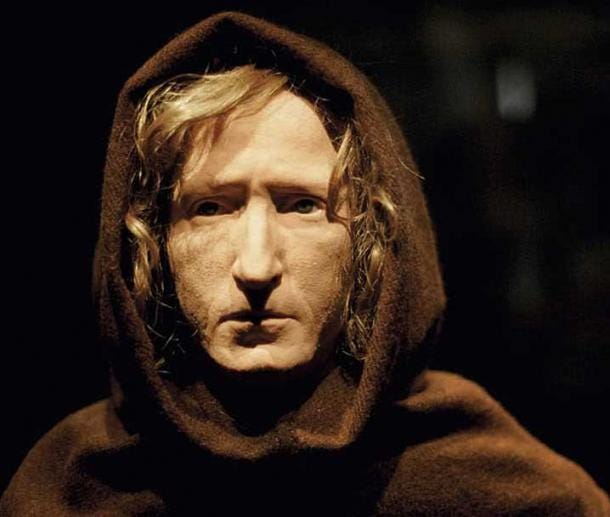
It is believed that the Bocksten Man was likely between 25 and 35 years old when he died. His clothing suggests that he was neither a poor peasant nor a member of the nobility. Instead, he seems to have belonged somewhere in the middle ranks of society.
Over the years, different theories have been suggested regarding his identity. One of the more popular ones identifies him as Simon Gudmundi, a church figure from the 15th century. However, the dating of the clothing makes that connection unlikely. More likely, the Bocksten Man was a craftsman or a servant in a higher-status environment, perhaps a town or a noble household. Yet for all the clues that survive, his name has been lost to history.
A Violent Death
One of the most compelling aspects of the Bocksten Man find is the way that he died and what was done to his body. Forensic examinations of his skull revealed multiple blows to the head, likely caused by a blunt object. These injuries strongly suggest murder. While some debate has existed over whether every injury occurred before or after death, there is little doubt that the man met a brutal end.
Even more striking is the way his body was disposed of. He was not buried with dignity or laid to rest in the ordinary way. Instead, his body was pinned down with wooden stakes, including an oak pile driven through him, and left face down in the bog. This was not casual disposal. It appears deliberate, and possibly symbolic.
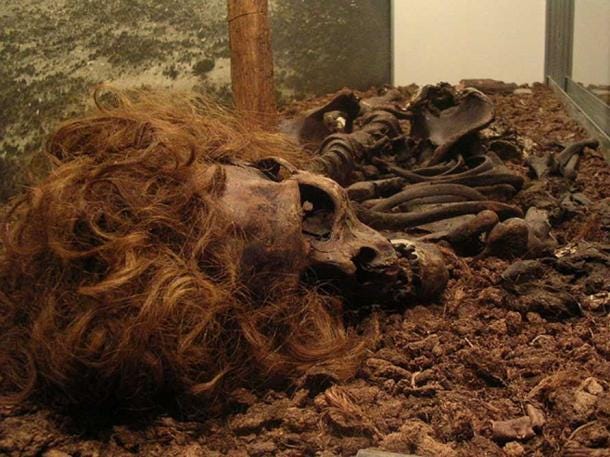
In medieval Scandinavian belief, such treatment was used to prevent the dead from returning as ghosts. This possibility gives the case an even darker edge. Whoever placed him there may not only have wanted him dead, but may also have feared him after death.
Was he killed in a personal dispute? Or did his death have some connection to wider political or religious tensions of the time? The Bocksten Man is not just an archaeological specimen. He is a victim in a murder mystery that has never been solved
The Face of the Past
With the help of modern technology, the Bocksten Man has been brought closer to us than ever before. Using 3D scans of his skull, specialists have reconstructed his face, giving modern viewers a strikingly lifelike connection to a man who lived centuries ago in a world very different from our own. What was once only a set of preserved remains became, once again, the face of a real person, making his story feel far more immediate and human.
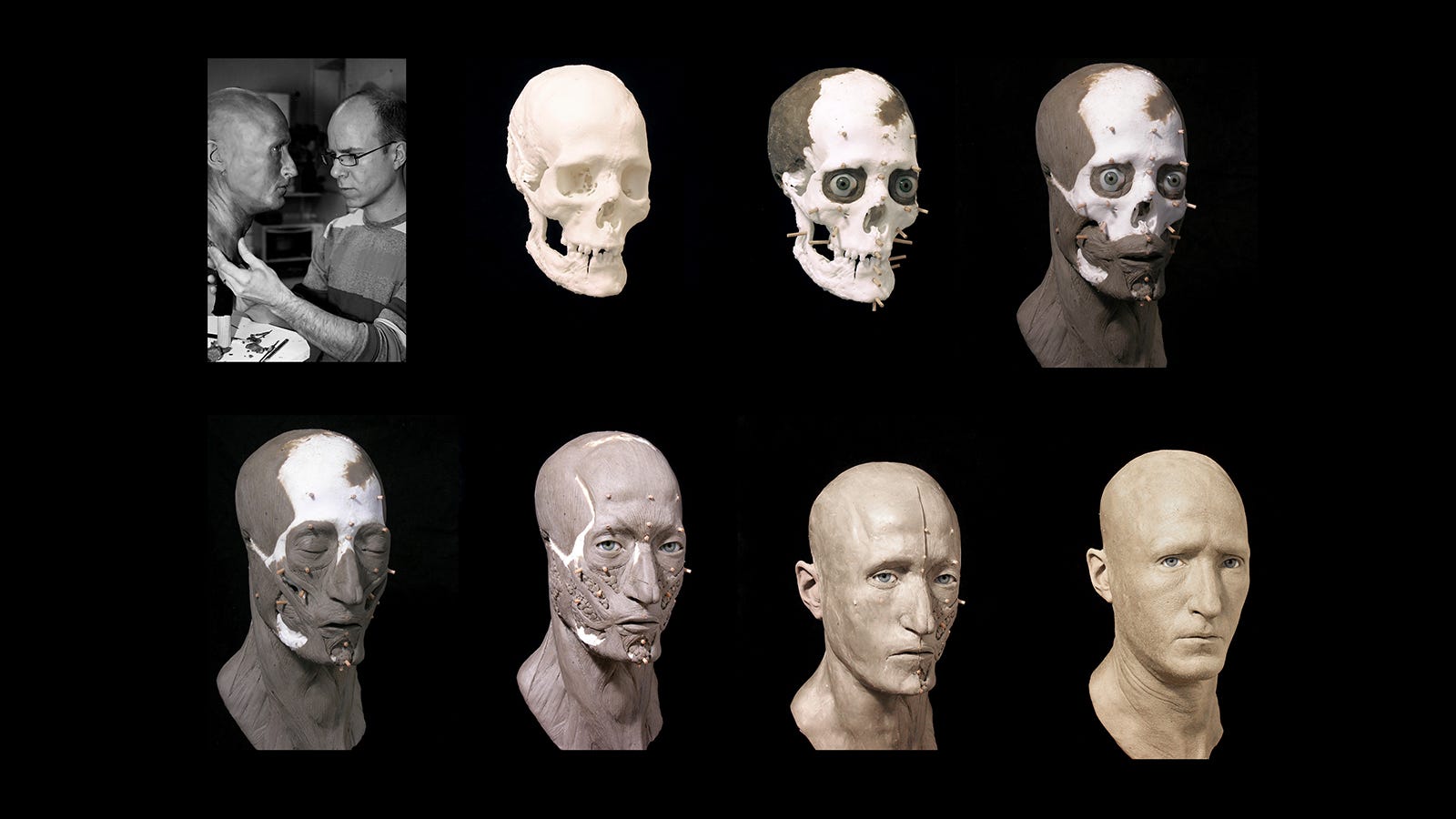
Yet the reconstruction does not solve the mystery surrounding him. His identity remains unknown, and the full truth of how and why he died will likely never be uncovered. Even so, his story is more than an archaeological discovery. It is also a reminder of the violence, fear, and uncertainty that shaped medieval Europe. Nearly 700 years after his death, the Bocksten Man continues to captivate historians, archaeologists, and the public alike, while still holding back some of his darkest secrets.
Sources:
Posse, Lovisa Sénby. “The man in the bog – the man who was found by coincidence.” Scandinavian Archaeology, 28 Oct. 2020, https://www.scandinavianarchaeology.com/the-man-in-the-bog-the-man-who-was-found-by-coincidence/
“Bocksten Man.” Mumipedia Wiki, https://mummipedia.fandom.com/wiki/Bocksten_Man
“DNA Can Solve The Mystery Of The Bocksten Man – A 650-Year-Old Murder Case.” Ancient Pages, 29 March 2016, https://www.ancientpages.com/2016/03/29/dna-can-solve-the-mystery-of-the-bocksten-man-a-650-year-old-murder-case/
“Swedish Bocksten Man Brought to Life.” World Archaeology, 6 July 2006, https://www.world-archaeology.com/world/europe/sweden/swedish-bocksten-man-brought-to-life/
The stake through the heart is the detail that reframes everything — this wasn't just murder, it was fear. Someone killed him AND was terrified he'd come back. In medieval Scandinavian belief, pinning the body down was prevention, not punishment. So we're looking at a community scared of a living man enough to kill him, and scared of his corpse enough to stake it. That double fear is the real story here.